Italians have this knack for making food that’s both low-effort and high-impact. It’s less about the ingredients and more about how they’re handled, cooked, and brought together. Think tricks passed down so long that they’re muscle memory now. These methods look simple but have been sharpened over years. Follow them, and your next dinner might get you a few compliments you weren’t expecting.
Classic Tuna Noodle Casserole
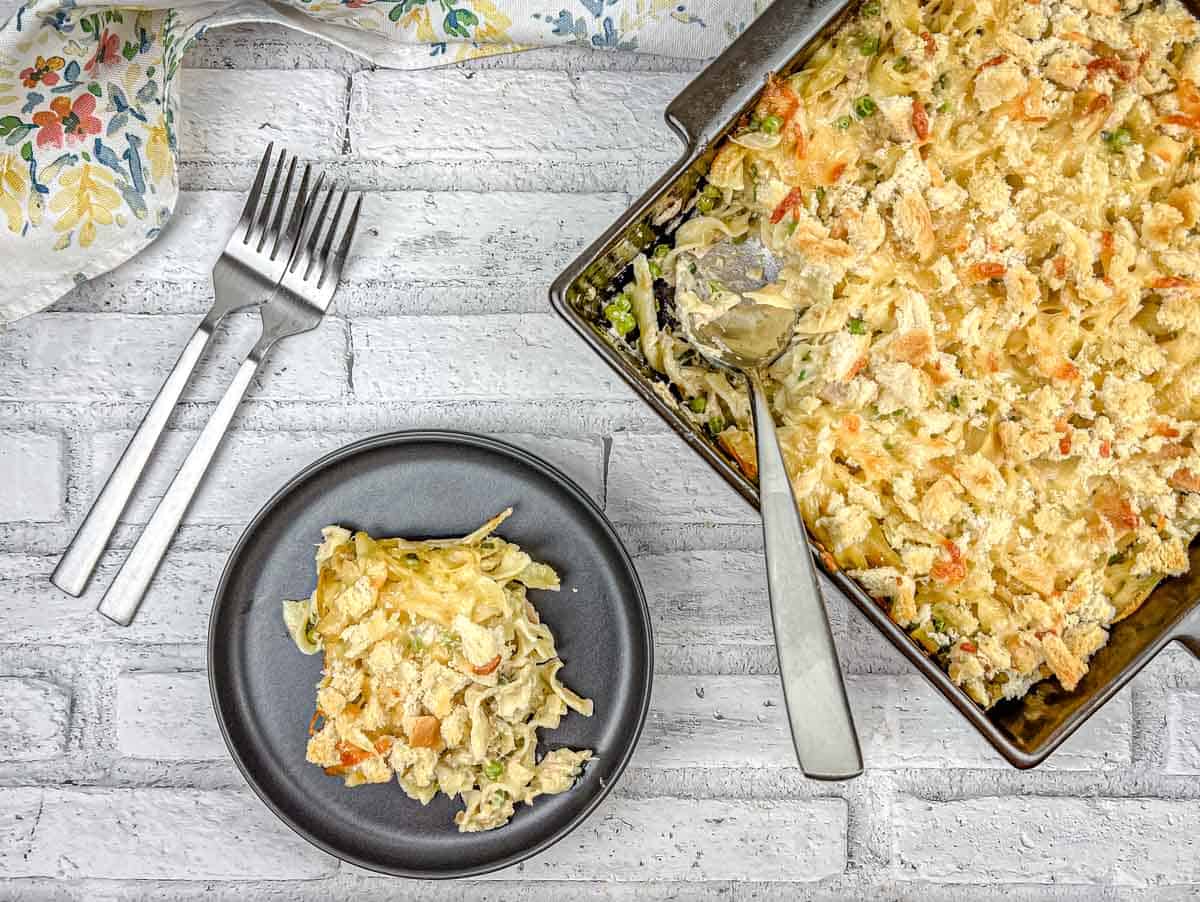
Thick layers and textures come together in a way that always hits home. Classic Tuna Noodle Casserole uses a method that leans on old habits from Italian kitchens—build everything slow, don’t rush, and let the mix settle as it bakes. Nothing gets hidden or overdone; each part plays its role just right. That’s the trick here—timing and patience, not shortcuts.
Get the Recipe: Classic Tuna Noodle Casserole
Old-Fashioned Mac and Cheese

Creamy isn’t always about what you add but how you work the heat. Old-Fashioned Mac and Cheese follows a practice that isn’t rushed, where everything melts and binds over time—not dumped in and stirred quick. That slower pace is key, and it changes the way everything comes together. It ends up with bite and pull, not mush or goo. Nothing fancy, just old techniques that know when to stop.
Get the Recipe: Old-Fashioned Mac and Cheese
Pastitsio
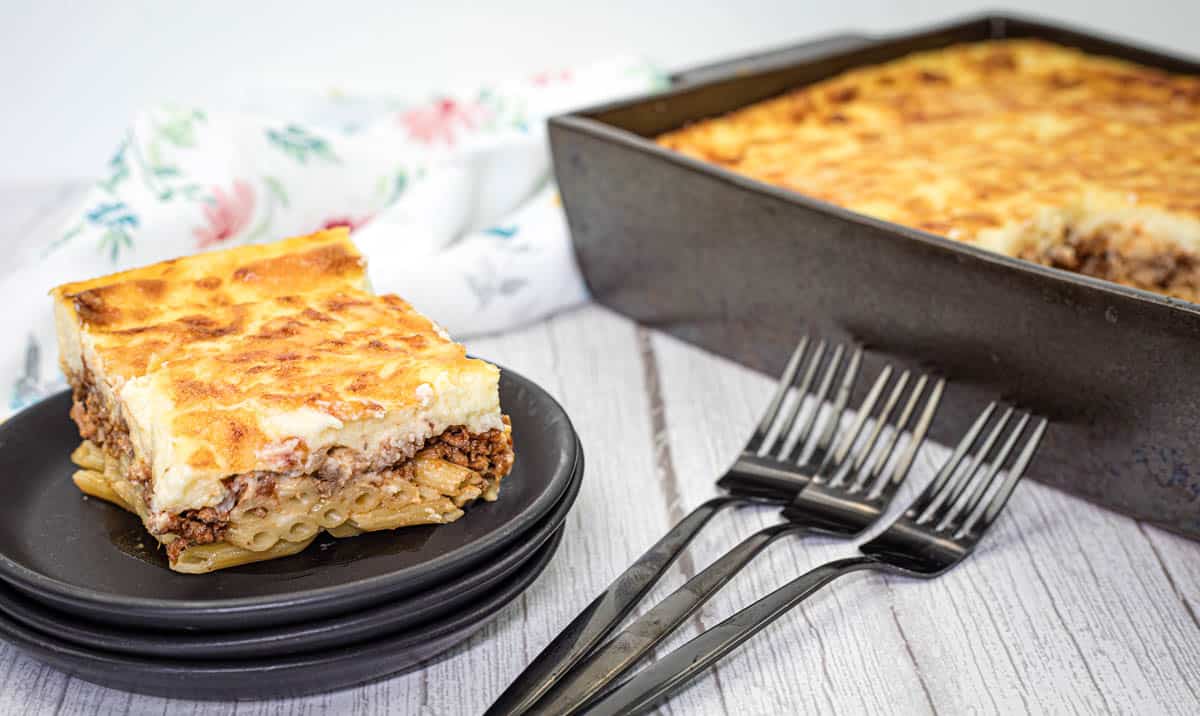
Sharp edges, soft middles, and layers you can slice clean—Pastitsio doesn’t cut corners. It holds everything in place by sticking to firm steps, not loose guesswork. What sets it apart is how it bakes into itself, like lasagna, but with a thicker backbone. Every part is cooked with its own space, then brought together at the end. The top isn’t just for looks—it holds weight and locks in the shape.
Get the Recipe: Pastitsio
Nonna’s Pastina Soup
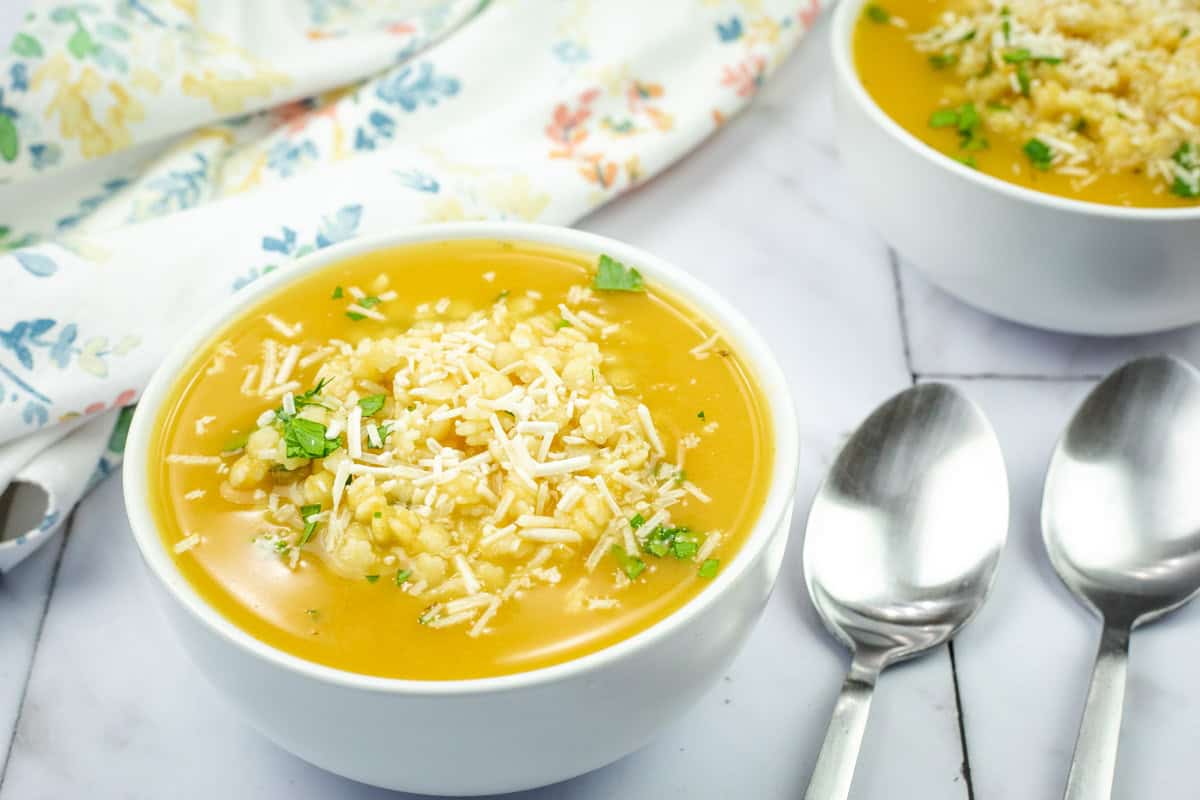
Many grew up with something like Nonna’s Pastina Soup, but what makes this version stand out is how the pasta is treated more like the main character, not just filler. It’s cooked right in the pot, soaking in every bit of whatever’s around it. That alone changes the texture and taste more than any extra seasoning would. It’s not flashy, just done with care. The result is comfort without extra talk.
Get the Recipe: Nonna’s Pastina Soup
Mediterranean Orzo Salad with Shrimp

Balance in texture matters more than anything in Mediterranean Orzo Salad with Shrimp. Instead of mixing everything all at once, there’s a method where each part stays cold or warm as needed, then only brought together last minute. That’s what keeps it from going soggy or dull. Each bite stays sharp, not muddy. It’s not about strong flavors—it’s about not messing with what’s already working.
Get the Recipe: Mediterranean Orzo Salad with Shrimp
Pasta e Fagioli Soup

Some people think of soup as just throwing things in a pot, but Pasta e Fagioli Soup works better when done step by step. It has a built-in order: pasta last, broth slow, nothing overcooked. That’s how it keeps both body and texture at once. It’s thick without being heavy and full without being busy. It shows how order changes the outcome more than any single part.
Get the Recipe: Pasta e Fagioli Soup
Turkey-Stuffed Shells with Pesto
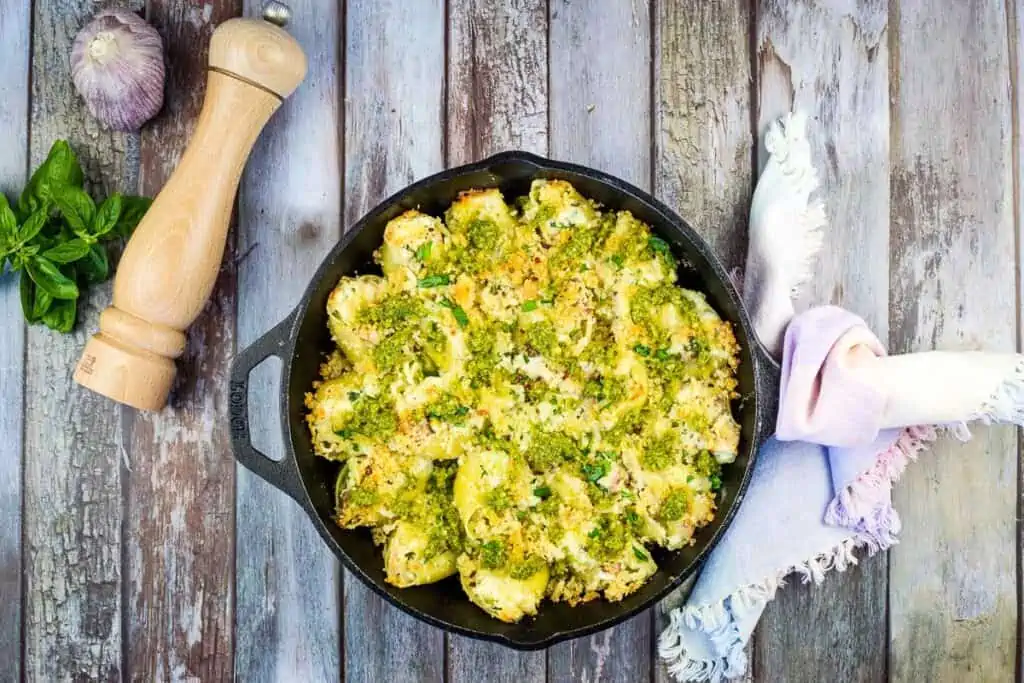
With Turkey-Stuffed Shells with Pesto, it’s all about structure. The shells don’t fall apart because they’re cooked just to the edge—not soft, not stiff. They’re filled while still slightly warm, so nothing cracks or crumbles. Timing here is everything. Instead of pouring everything on top, the pesto is worked in, not just dumped, which gives it more grip.
Get the Recipe: Turkey-Stuffed Shells with Pesto
Gnocchi with Lemon-Parmesan Sauce
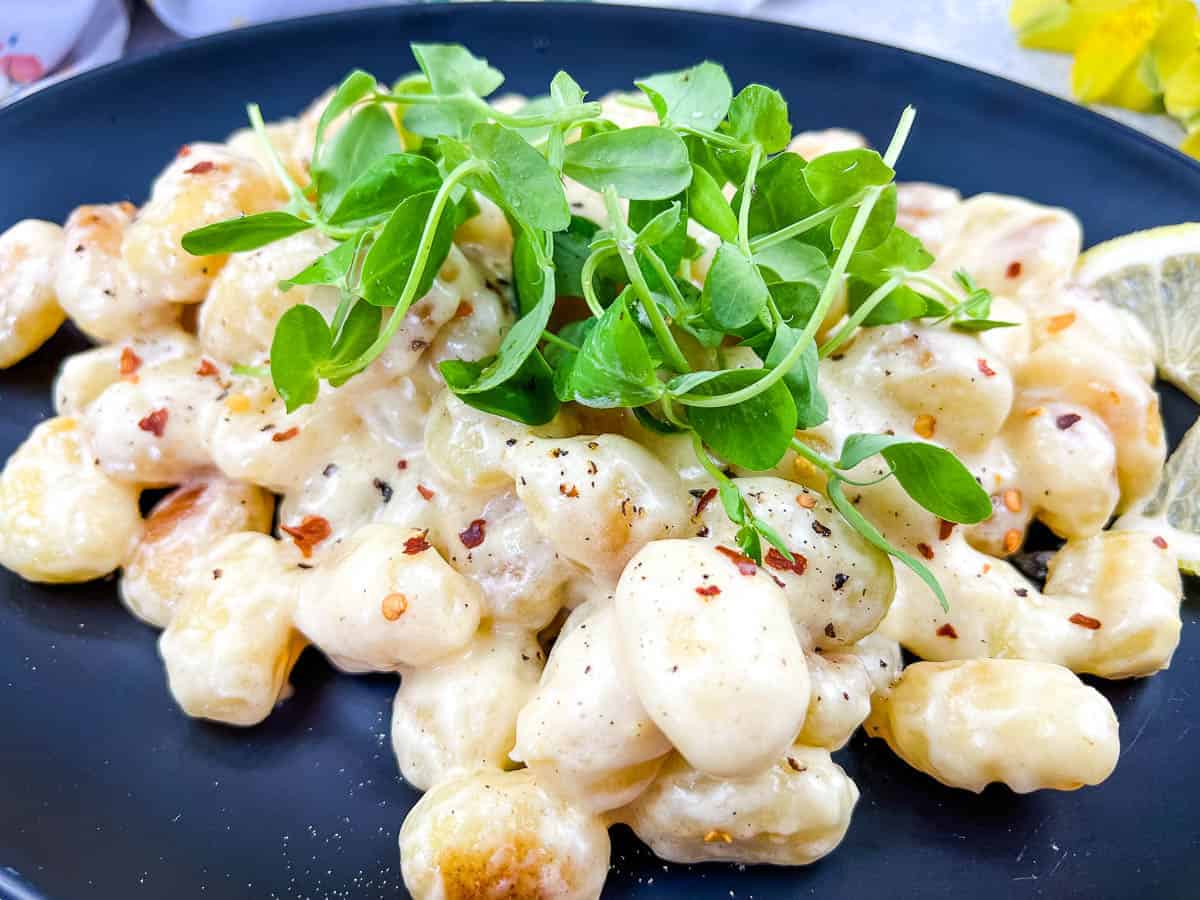
Texture makes or breaks Gnocchi with Lemon-Parmesan Sauce. The gnocchi has to stay pillowy, which means not overhandling it, not overboiling it, and definitely not smothering it in heavy stuff. The sauce clings without drowning it, and that only happens if both are treated with care. It’s not just cooked—it’s timed. Letting it sit after cooking brings the flavor out more than anything you toss in.
Get the Recipe: Gnocchi with Lemon-Parmesan Sauce
Giant Cheese-Stuffed Shells
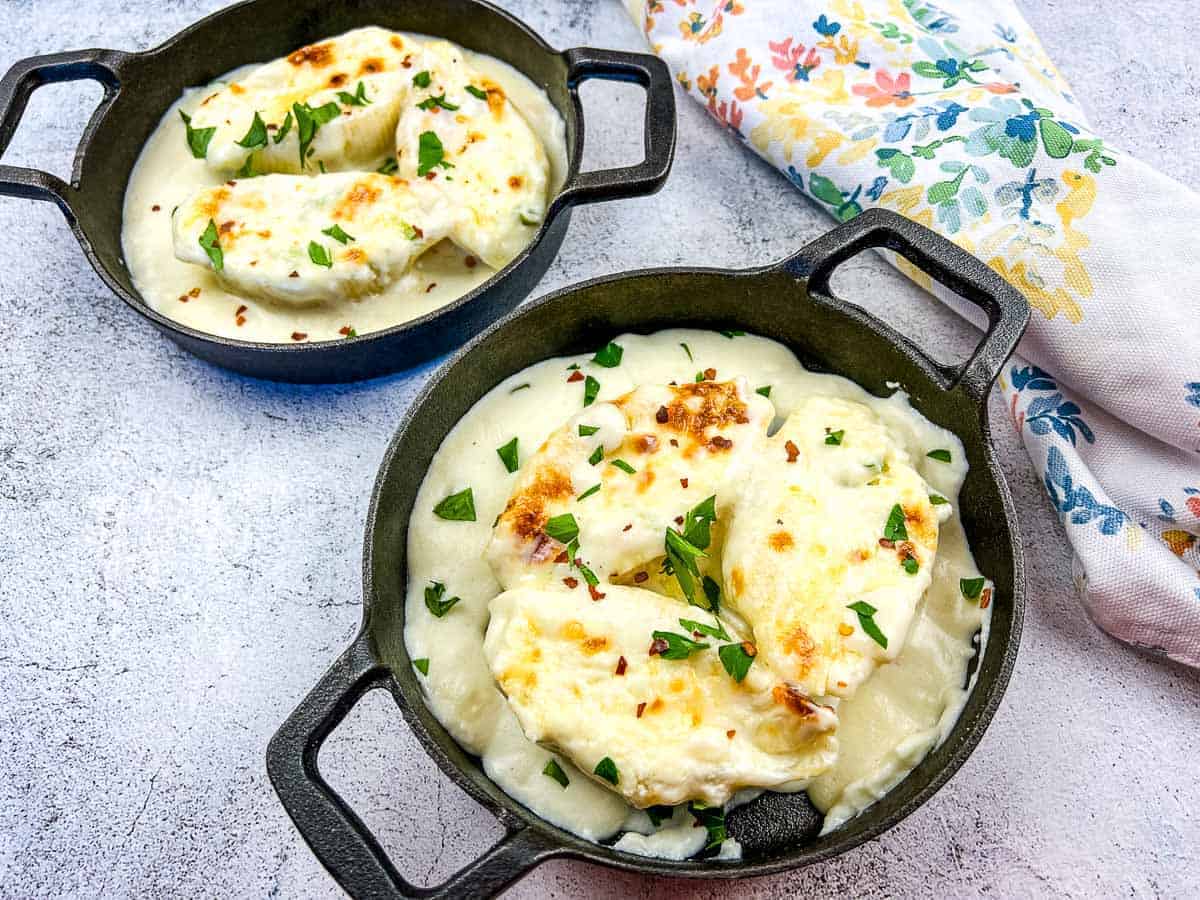
You know Giant Cheese-Stuffed Shells works when it holds together even after slicing. That’s not luck—that’s prep. The cheese mix has to be balanced so it doesn’t leak, and the shells need to be packed just tight enough. There’s no dumping or layering mess here. Everything gets locked in from the inside out. That’s how you make something thick and cheesy without it sliding apart.
Get the Recipe: Giant Cheese-Stuffed Shells
Cajun Pasta with Shrimp

Heat isn’t the star of Cajun Pasta with Shrimp; control is. Instead of blowing everything out with spice, the key is pacing. The shrimp has to go in last, cooked fast, pulled early. The pasta needs a bit of resistance, not sogginess. That split-second timing is where the real difference shows. Everything feels bold without actually being too much. It’s not about turning up the volume—it’s about hitting the right notes.
Get the Recipe: Cajun Pasta with Shrimp
Chicken Gnocchi Soup
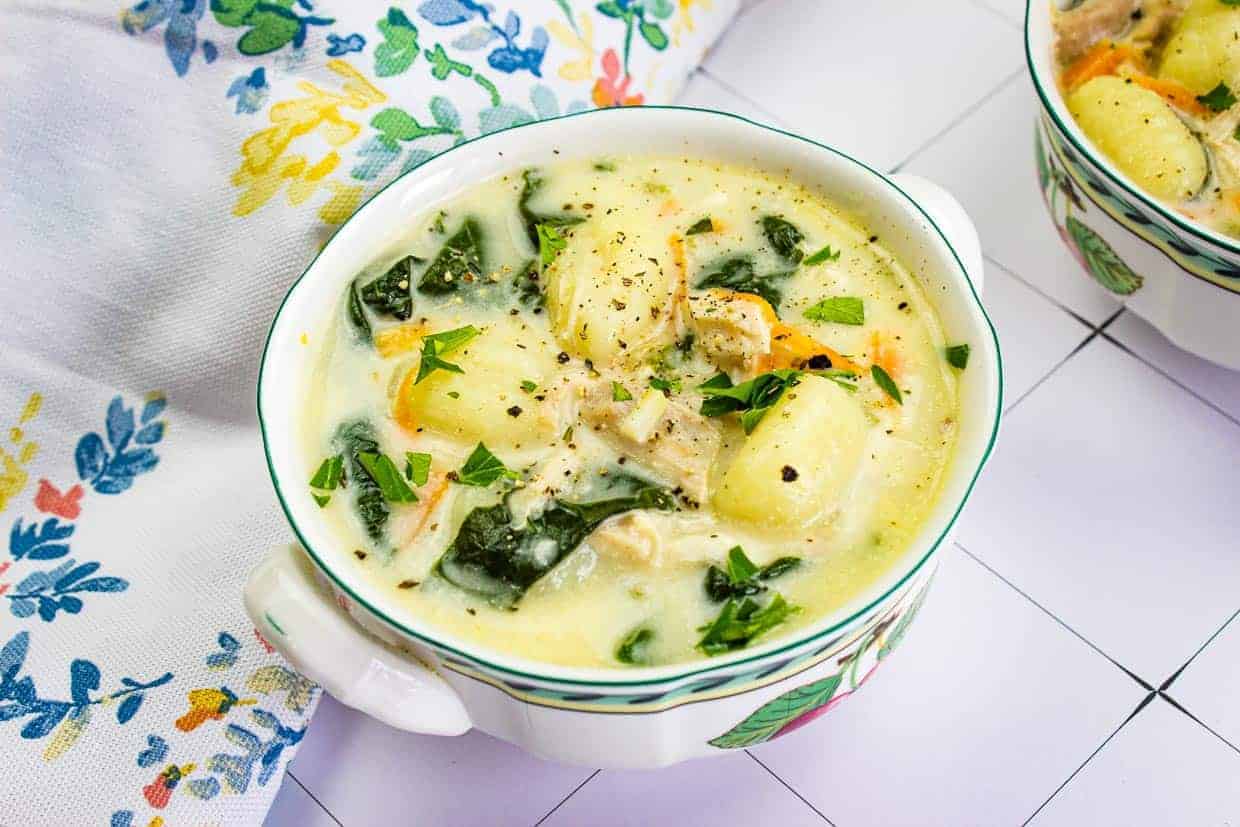
Nothing feels overdone here, even when it’s rich and thick. Chicken Gnocchi Soup uses a trick that’s more about sequence than ingredients—one part added at a time, with the gnocchi going in late to keep it from falling apart. The base isn’t rushed, which gives everything time to settle and hold. What comes out has weight but doesn’t feel heavy. It’s all done by sticking to the method, not by piling on extras.
Get the Recipe: Chicken Gnocchi Soup
Pasta with Ricotta & Tomatoes
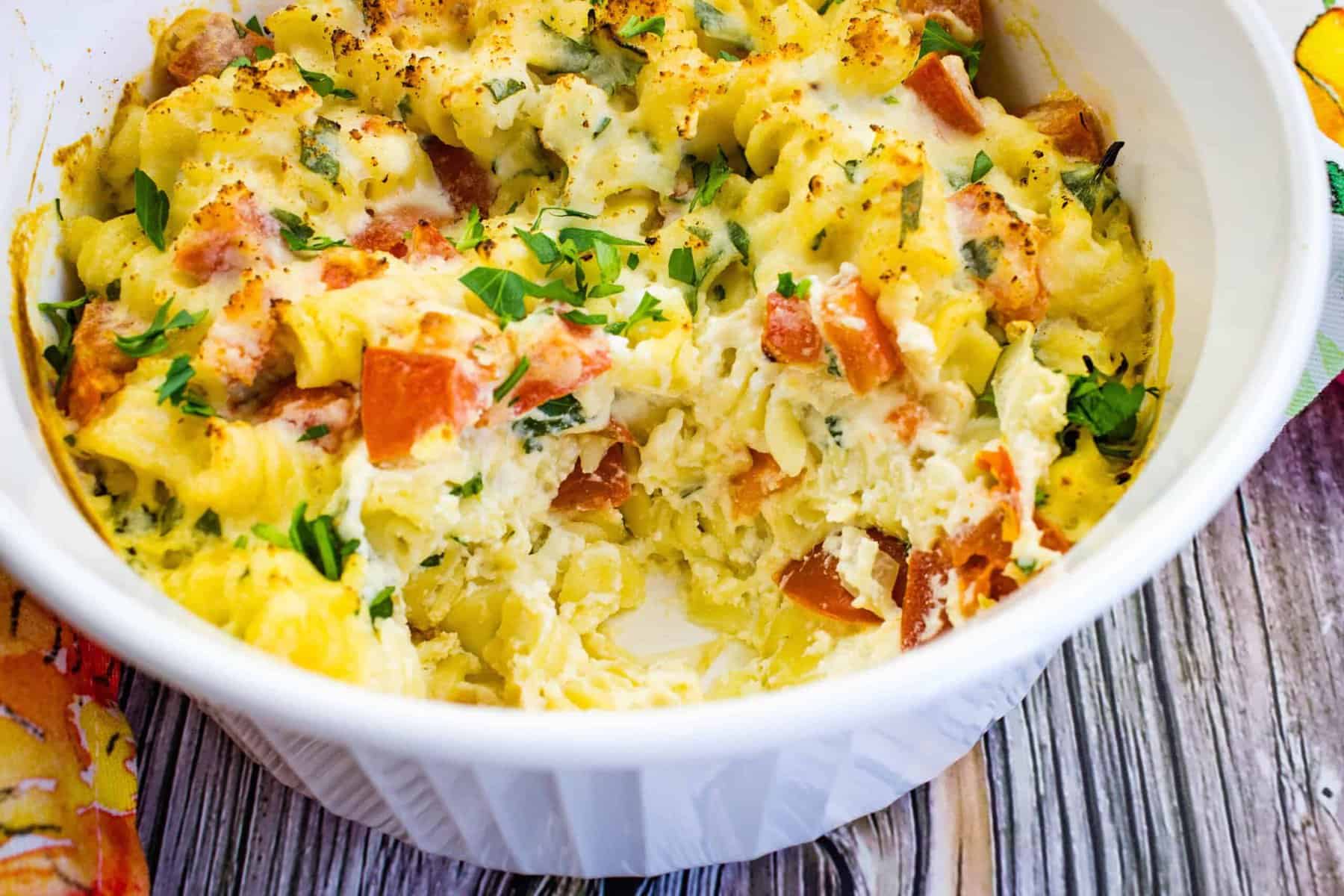
No one rushes into Pasta with Ricotta & Tomatoes if they know how it works. The key is when things get mixed—not all at once, but step by step, so nothing turns watery or mushy. That’s how the texture keeps its bite and the ricotta stays in its lane. It’s not tossed like a salad, more like folded together in layers. That simple method changes the whole outcome.
Get the Recipe: Pasta with Ricotta & Tomatoes
Creamy Spinach Orzo
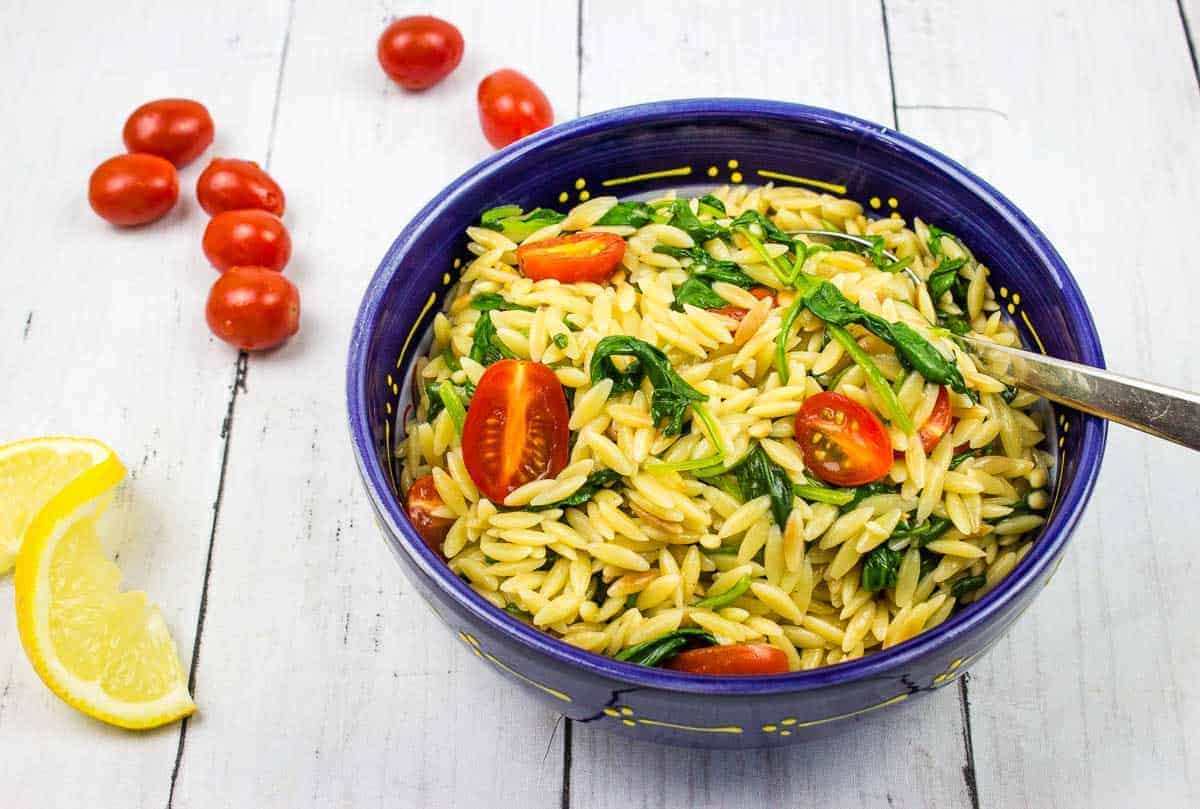
You can tell when something’s been handled with care, and Creamy Spinach Orzo is one of those. The orzo holds a different shape when cooked just right, not too soft and not stuck together. What sets this apart is how the spinach melts into it without turning the whole thing into green mush. It’s about timing, not just heat. Everything gets a turn, instead of being thrown together in one go.
Get the Recipe: Creamy Spinach Orzo
Salmon Gnocchi Bake
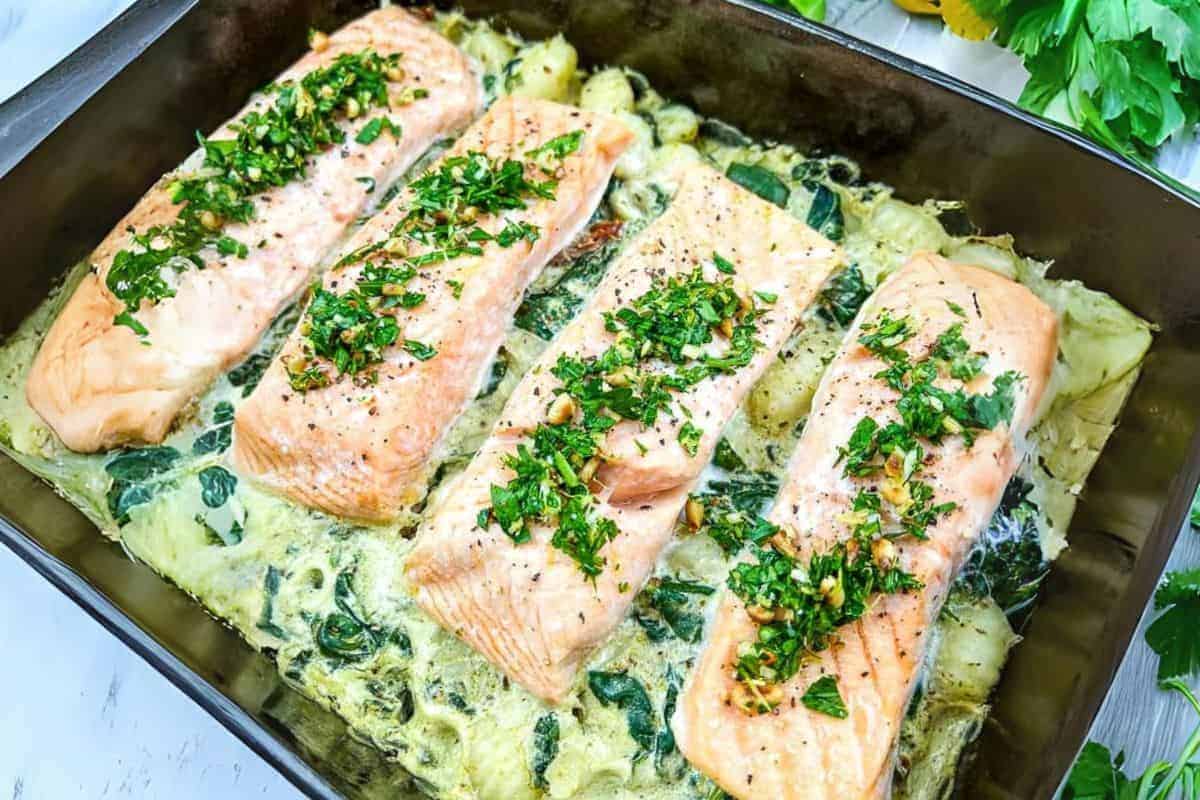
It’s easy to mess up something like Salmon Gnocchi Bake if you skip steps. The bake only works if each part goes in after being handled separately first. The gnocchi gets just enough cooking ahead so it doesn’t soak up too much after. The salmon doesn’t need much—just the right spot in the mix. That way, the whole thing holds without getting soggy or breaking apart.
Get the Recipe: Salmon Gnocchi Bake
Chicken Spaghetti
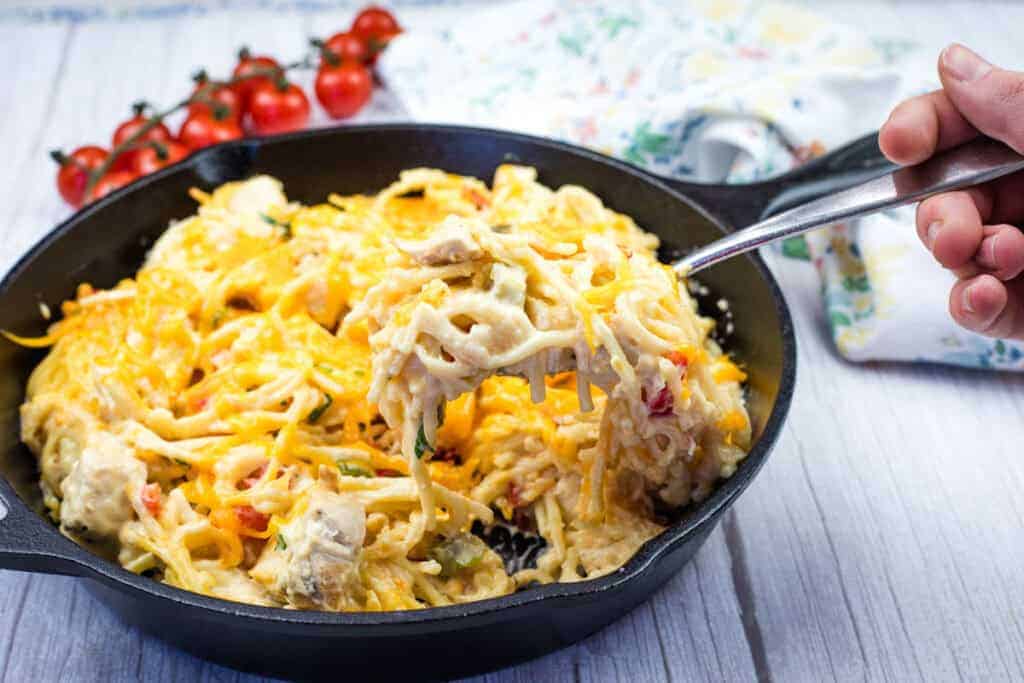
Balance is what keeps Chicken Spaghetti from turning into a sloppy mess. The spaghetti isn’t boiled to death, and it’s cooled a bit before anything else touches it. That keeps it from going gummy later in the oven. The whole process is layered and steady. Mixing in stages instead of dumping everything at once is what makes this one work without falling apart.
Get the Recipe: Chicken Spaghetti
Beefy Lasagna Soup
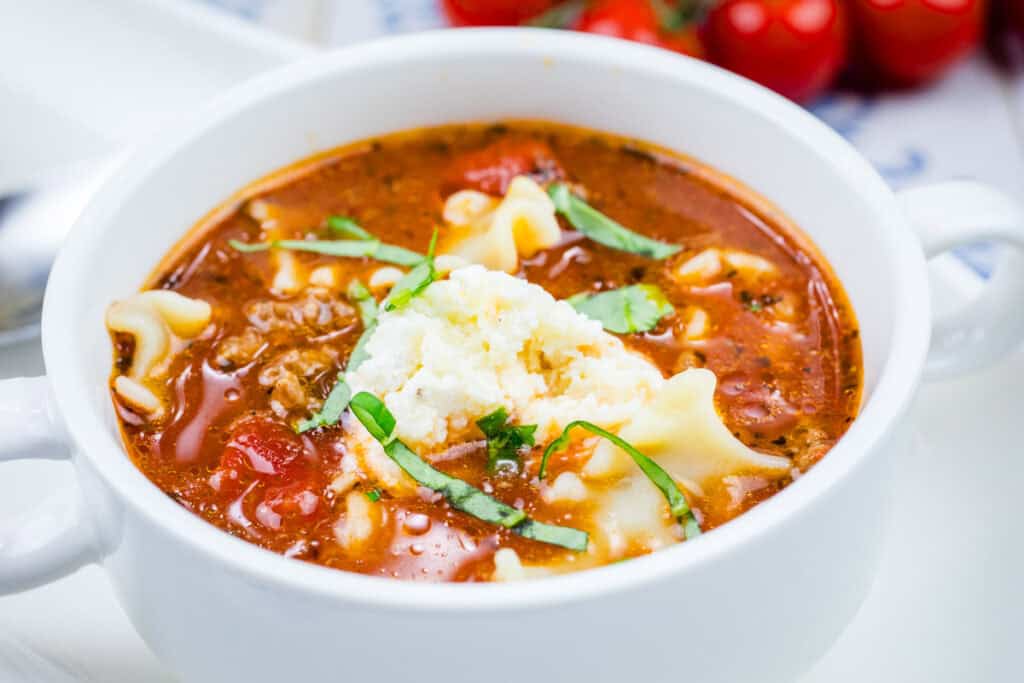
Rich doesn’t have to mean heavy, and Beefy Lasagna Soup proves that with a method that controls how much of each element shows up. It all starts with knowing when to stop, not when to add more. The pasta waits until the end so it stays separate. The broth thickens on its own without needing help. You get a full meal feel without turning into a stew.
Get the Recipe: Beefy Lasagna Soup
Tortellini Soup with Sausage
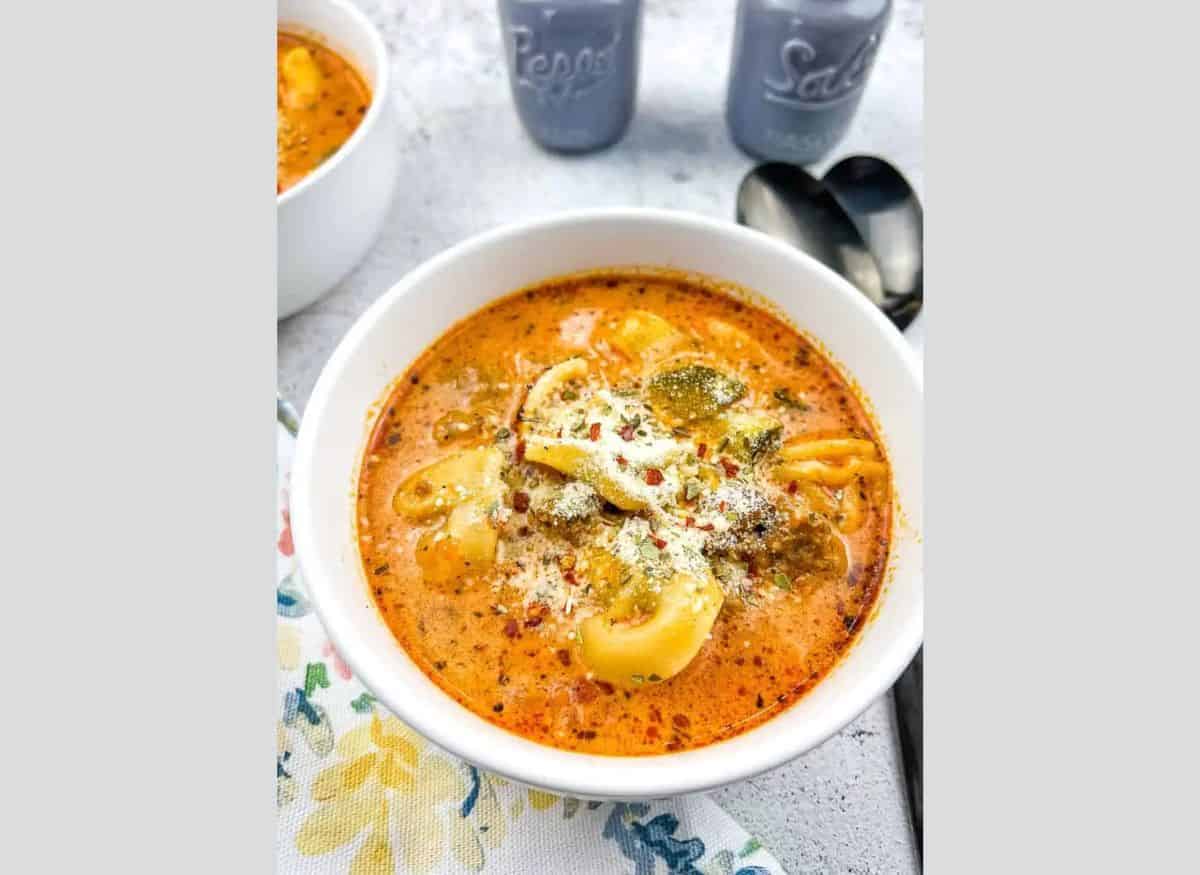
What makes Tortellini Soup with Sausage stand out is how it’s not cooked all in one rush. You hold the tortellini back until just the right moment so it doesn’t lose shape. The sausage gets browned separately to build depth without overpowering the rest. Even the broth is built in layers. It’s those small timing tricks that keep the soup from turning into a single blur of flavor.
Get the Recipe: Tortellini Soup with Sausage
Creamy Balsamic Vinaigrette
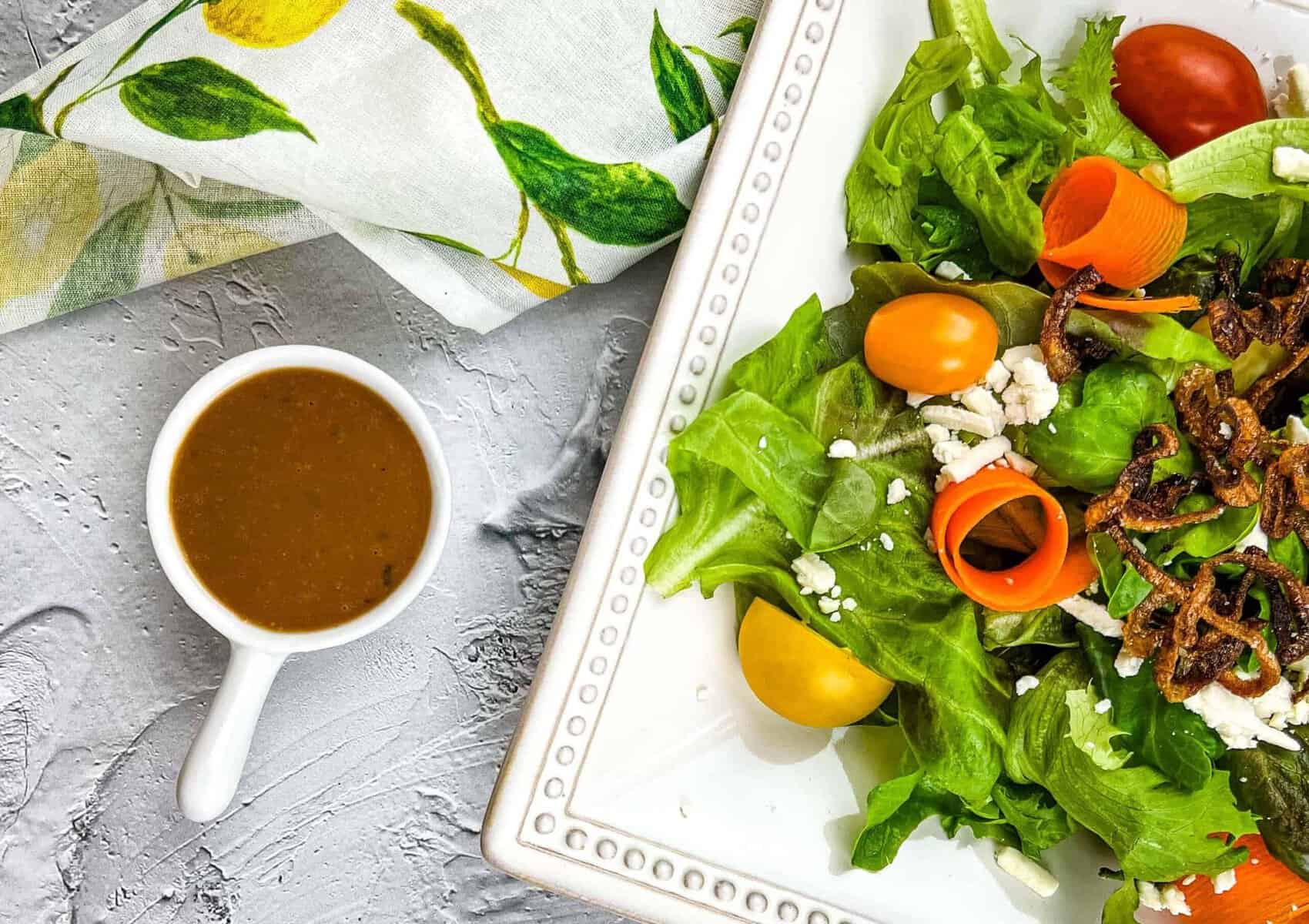
People don’t always think about technique in dressings, but Creamy Balsamic Vinaigrette works because of how it’s mixed, not what’s in it. The way it’s blended keeps it from separating too fast. It holds together longer and coats better because the base gets whipped right. Even the order of mixing matters—one wrong move, and it breaks. It’s all about slow pour and steady movement.
Get the Recipe: Creamy Balsamic Vinaigrette
Chicken Piccata
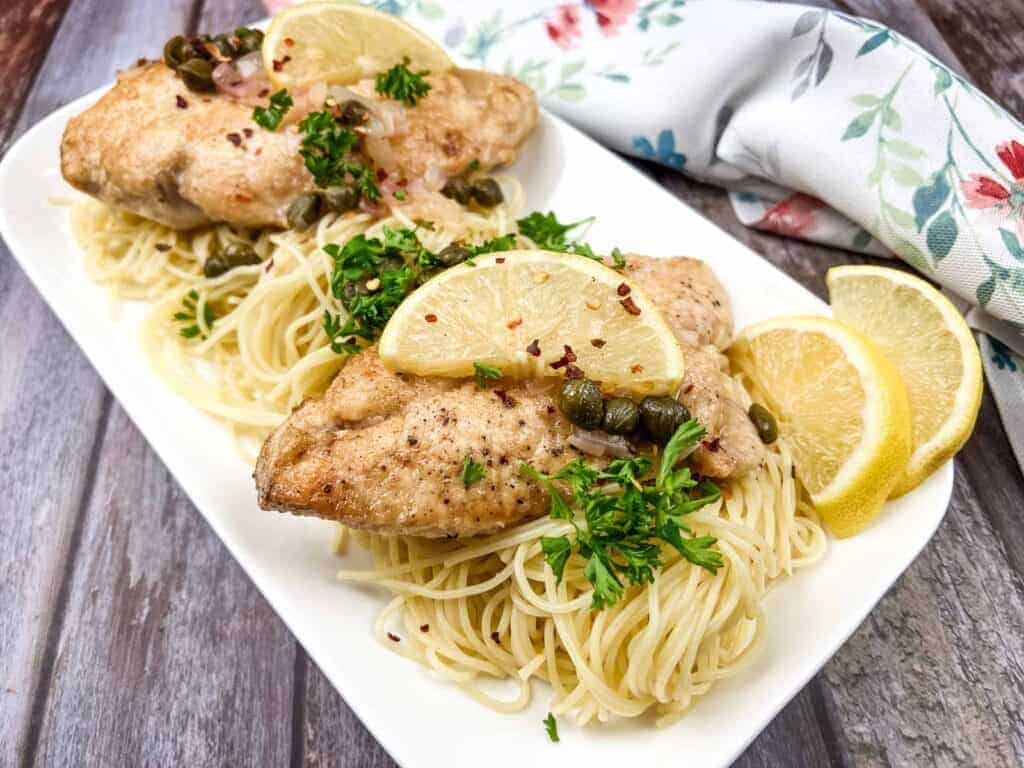
Sharp and clean, Chicken Piccata is more about timing than strength. The way the chicken is handled matters more than how long it cooks. It’s thin but not dry, and that only happens if it’s pulled at the exact right moment. What follows after—the sauce, the mix-in—gets added after the heat drops, not during full boil. That single step keeps everything from turning bitter or flat.
Get the Recipe: Chicken Piccata
Crock Pot Sausage and Peppers
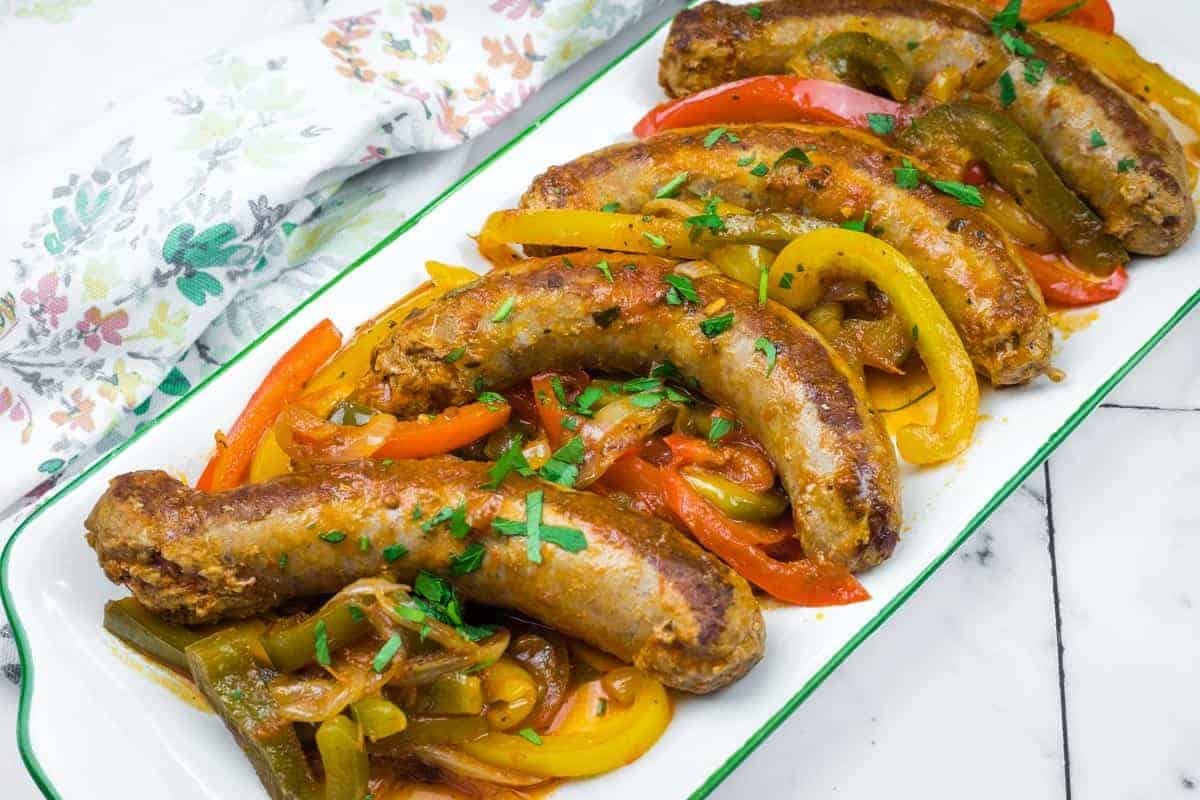
Low and slow isn’t just about heat—it’s about when you start and stop. Crock Pot Sausage and Peppers depends on the order things go in, especially if you don’t want everything tasting the same. The sausage holds its own because it’s browned ahead. The peppers still have structure because they go in later, not right at the beginning. That’s what keeps it from turning into a one-note dish.
Get the Recipe: Crock Pot Sausage and Peppers
Greek Spaghetti
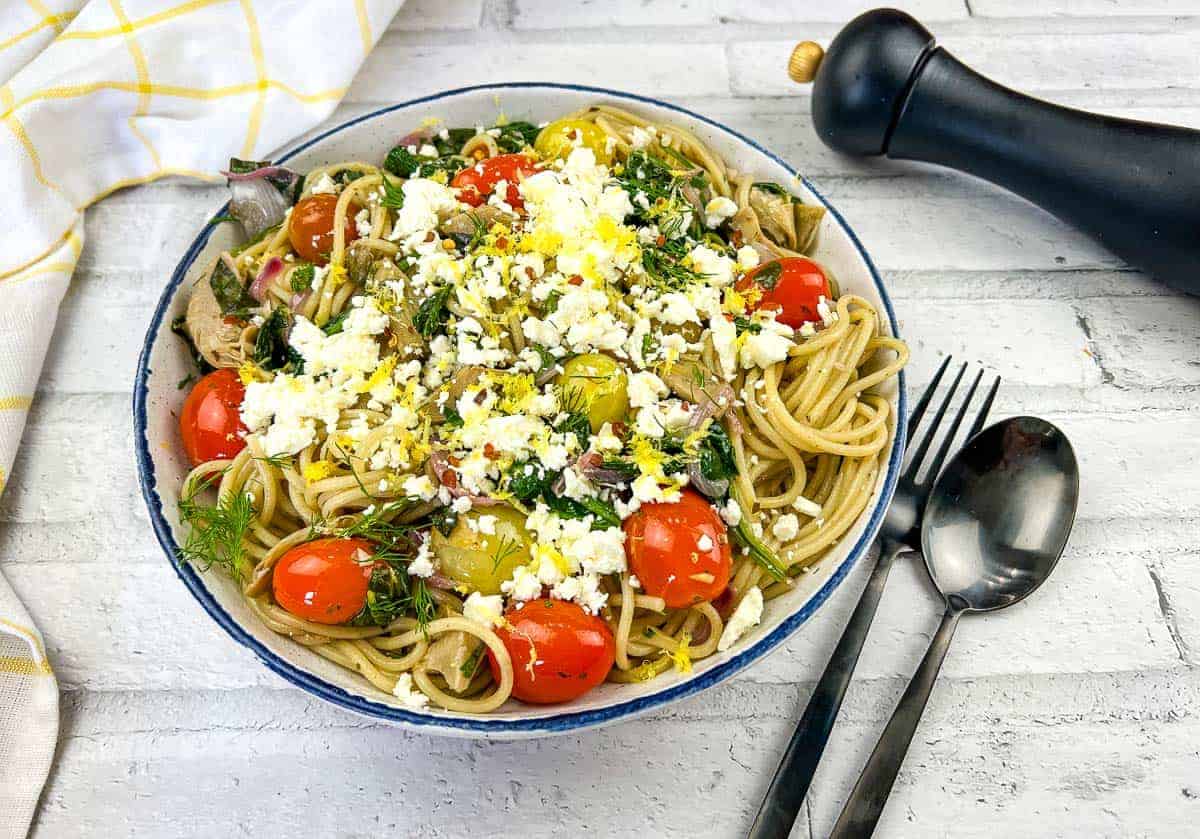
Texture does a lot of the work here, and not just with the pasta. Greek Spaghetti relies on the idea that not everything has to be piping hot or super soft to work together. Each part holds its place without getting lost in the rest. There’s a method where timing and mixing are everything, and that’s what keeps it fresh instead of flat. Cold, warm, soft, and crisp all show up right.
Get the Recipe: Greek Spaghetti
Tortellini Soup with Kale & Chicken
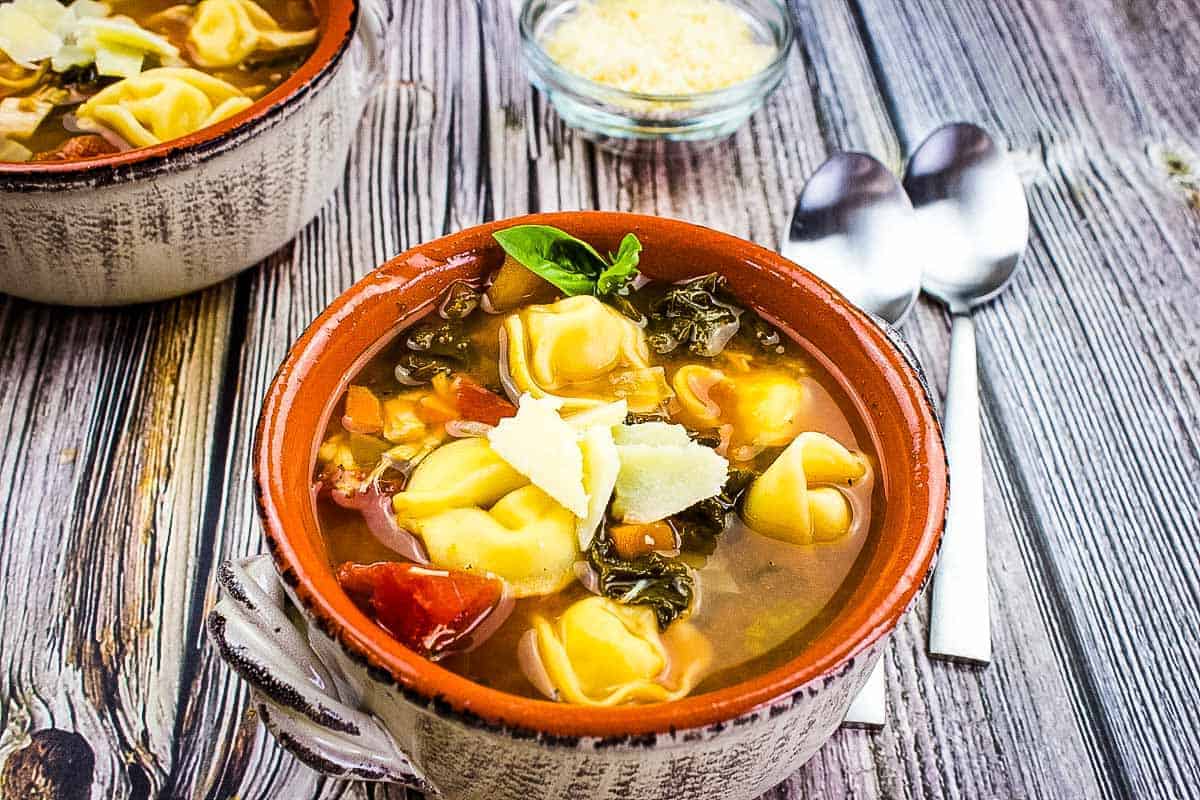
Nothing feels rushed or thrown in when Tortellini Soup with Kale & Chicken is made the right way. What helps it come together is knowing when each piece should go into the pot, especially the tortellini and greens. Toss them in too early, and the whole thing gets too soft too fast. But done right, you get layers, not a pile. Everything stays in its place, and nothing ends up overdone.
Get the Recipe: Tortellini Soup with Kale & Chicken
Baked Feta Pasta
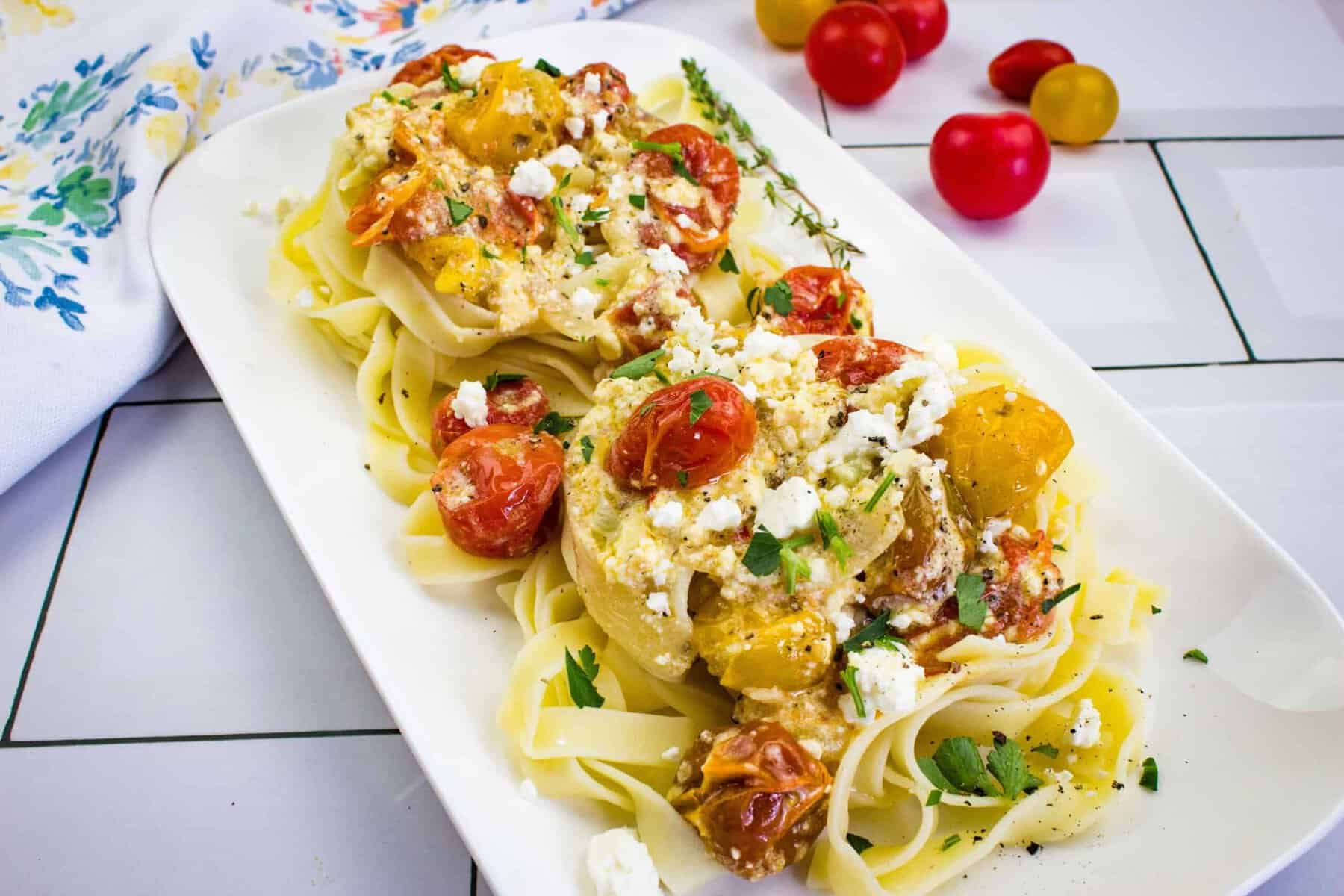
The biggest trick in Baked Feta Pasta isn’t what goes in—it’s what doesn’t move until the very end. The cheese isn’t stirred or broken up too soon, and the pasta waits until it’s needed. That method changes everything about how it all comes together. You end up with something that holds both structure and smoothness. When it’s done, nothing feels heavy, and nothing’s fighting for attention.
Get the Recipe: Baked Feta Pasta
Sloppy Joe Casserole
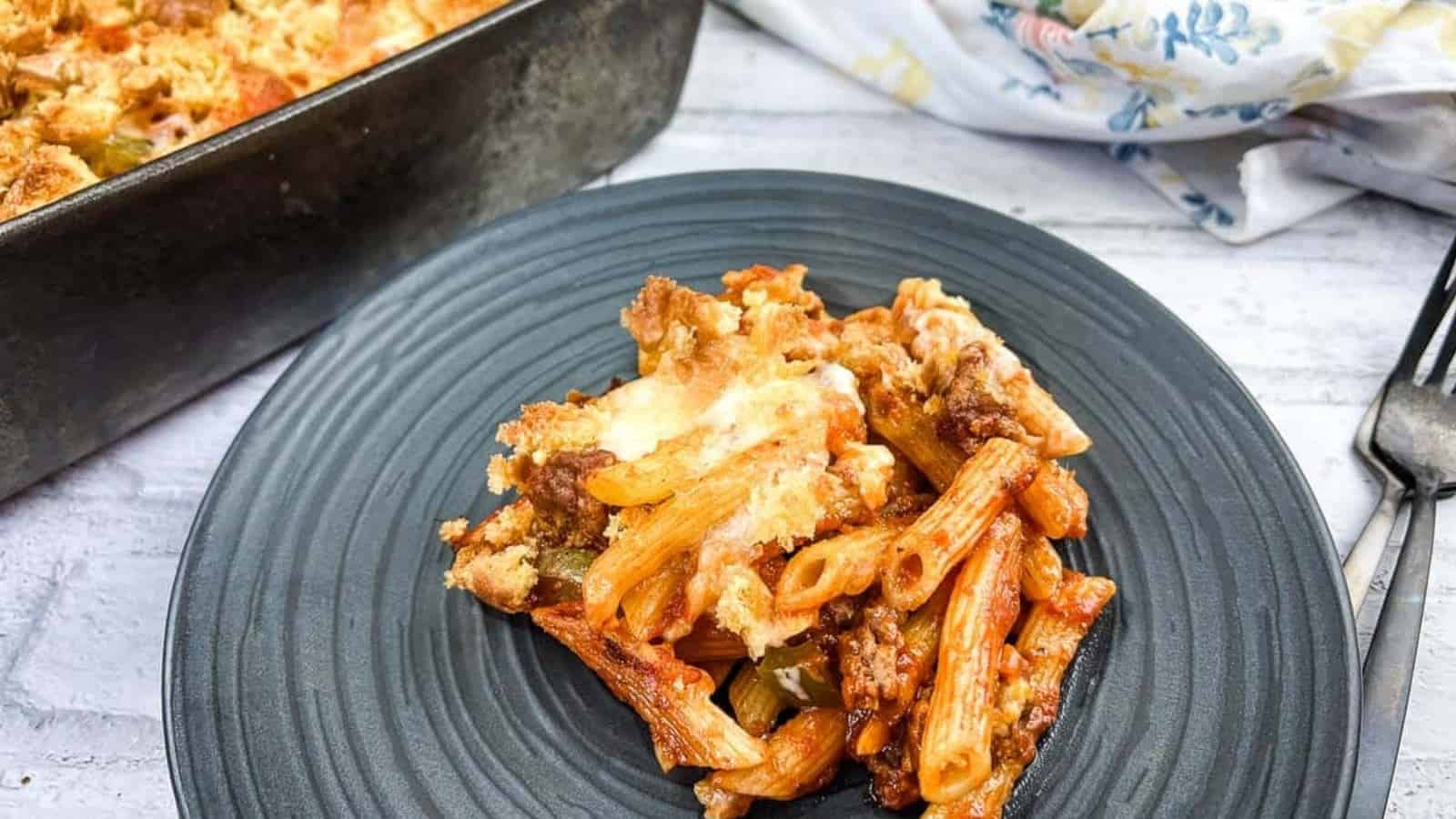
People expect this one to be messy, but Sloppy Joe Casserole holds its shape thanks to a few smart steps. It’s not just thrown into a dish and baked—it’s layered and spaced out so it doesn’t become mush. Each section gets its own prep time before coming together. That’s what keeps the texture in check. You can scoop it clean without a fight, and that’s all about the prep method.
Get the Recipe: Sloppy Joe Casserole
Million Dollar Spaghetti
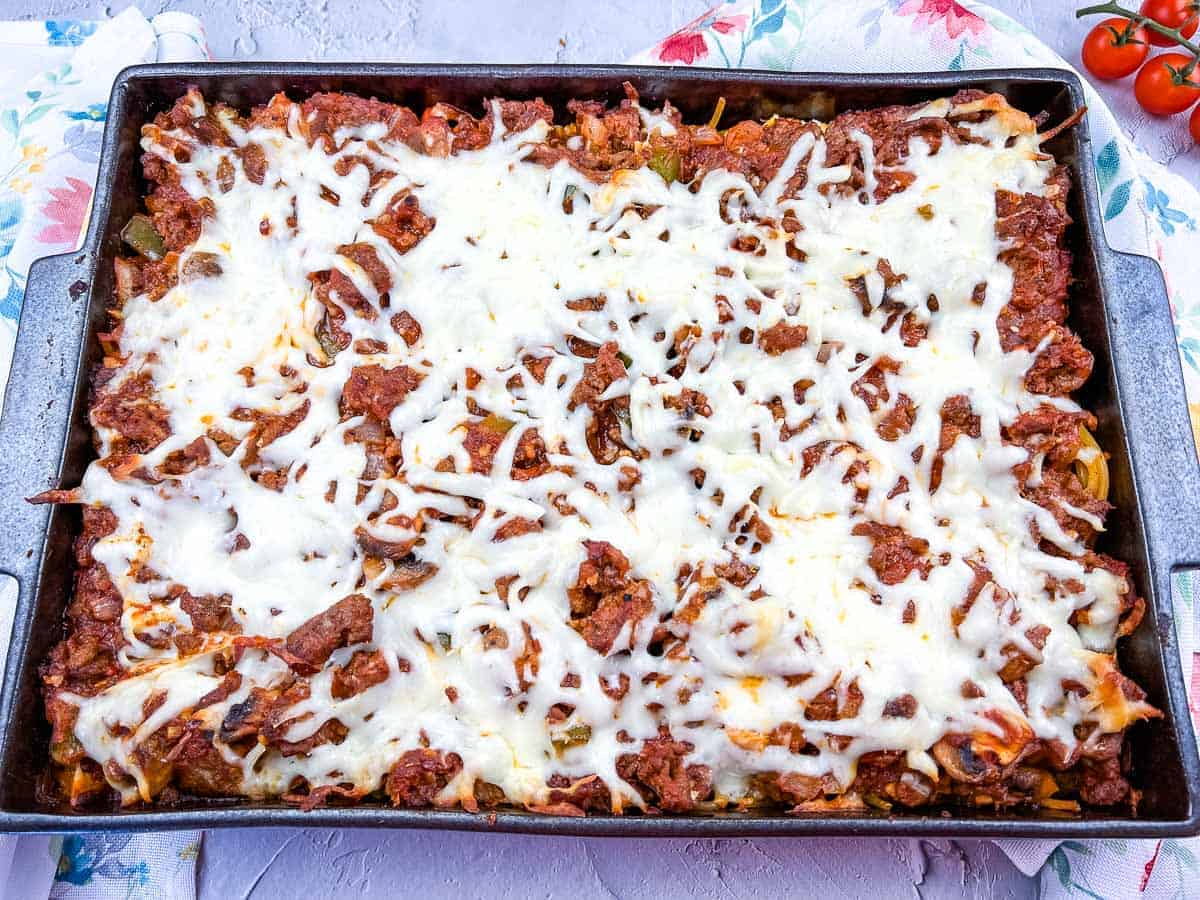
Rich doesn’t mean being chaotic. Million Dollar Spaghetti shows that order matters when working with heavy, layered dishes. The pasta gets cooked just shy of being done, so it finishes in the oven, not before. Layers are done one at a time, not mixed in a bowl and dumped. That’s why it holds together and still feels balanced when you slice into it. Nothing falls apart or gets lost in the stack.
Get the Recipe: Million Dollar Spaghetti
Lemon Chicken Broccoli Orzo Skillet
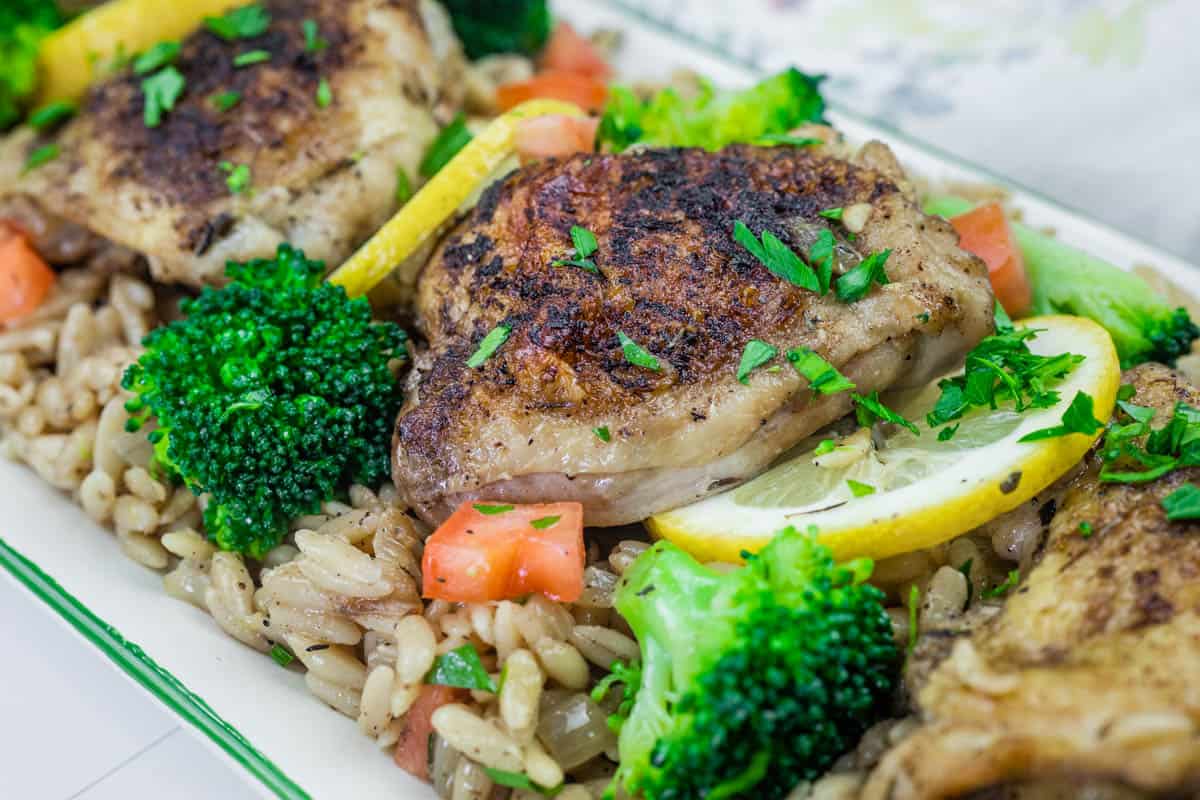
Control is everything with Lemon Chicken Broccoli Orzo Skillet, where each part needs its own moment to cook. You can’t throw it all in the skillet at once and expect anything to hold its shape. The orzo needs to be firm, the chicken not dry, and the broccoli still needs some crunch. That only happens when each is added at the right time. No tricks—just a bit of patience and order.
Get the Recipe: Lemon Chicken Broccoli Orzo Skillet
Italian Wedding Soup
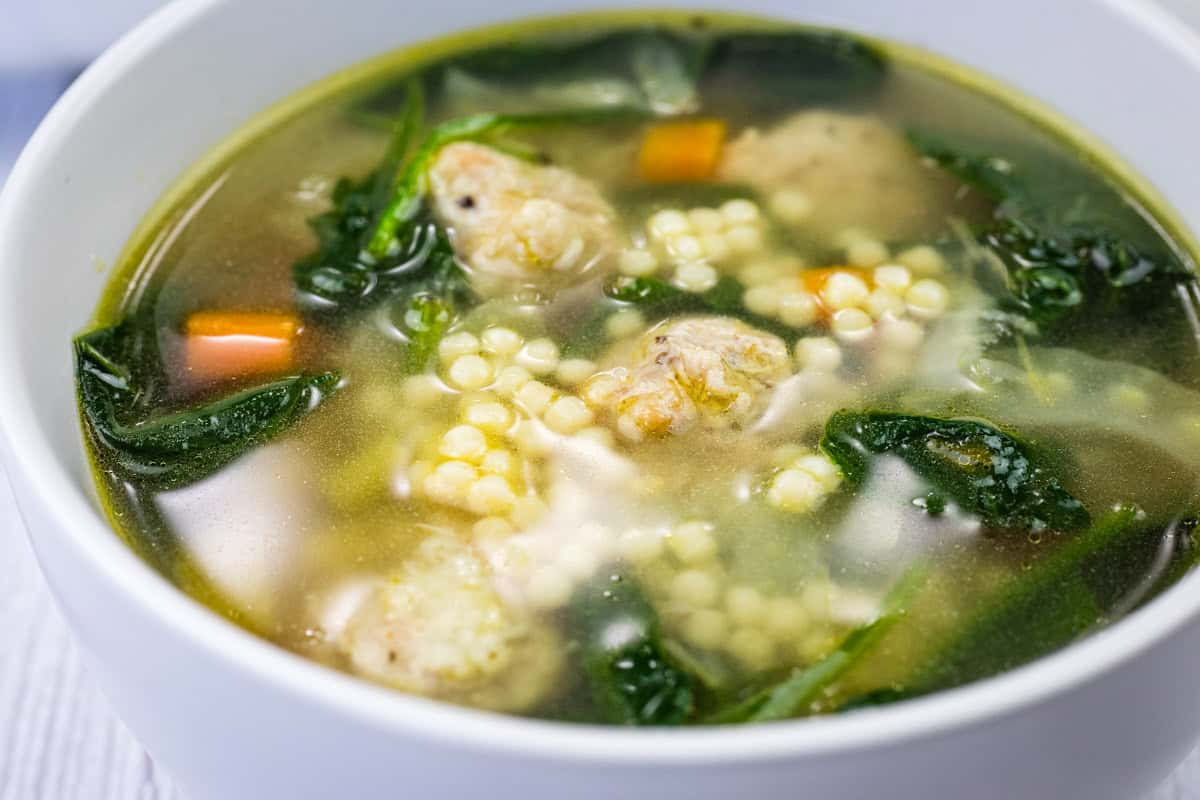
You get more than you expect when Italian Wedding Soup is handled with care, not shortcuts. The meatballs don’t go in raw, and the greens aren’t boiled to death. Each piece gets its own stage before coming together. That keeps the broth from going cloudy and the textures from getting mushy. It’s not just comfort food—it’s built with steps that actually make a difference.
Get the Recipe: Italian Wedding Soup
Pesto Orzo Salad
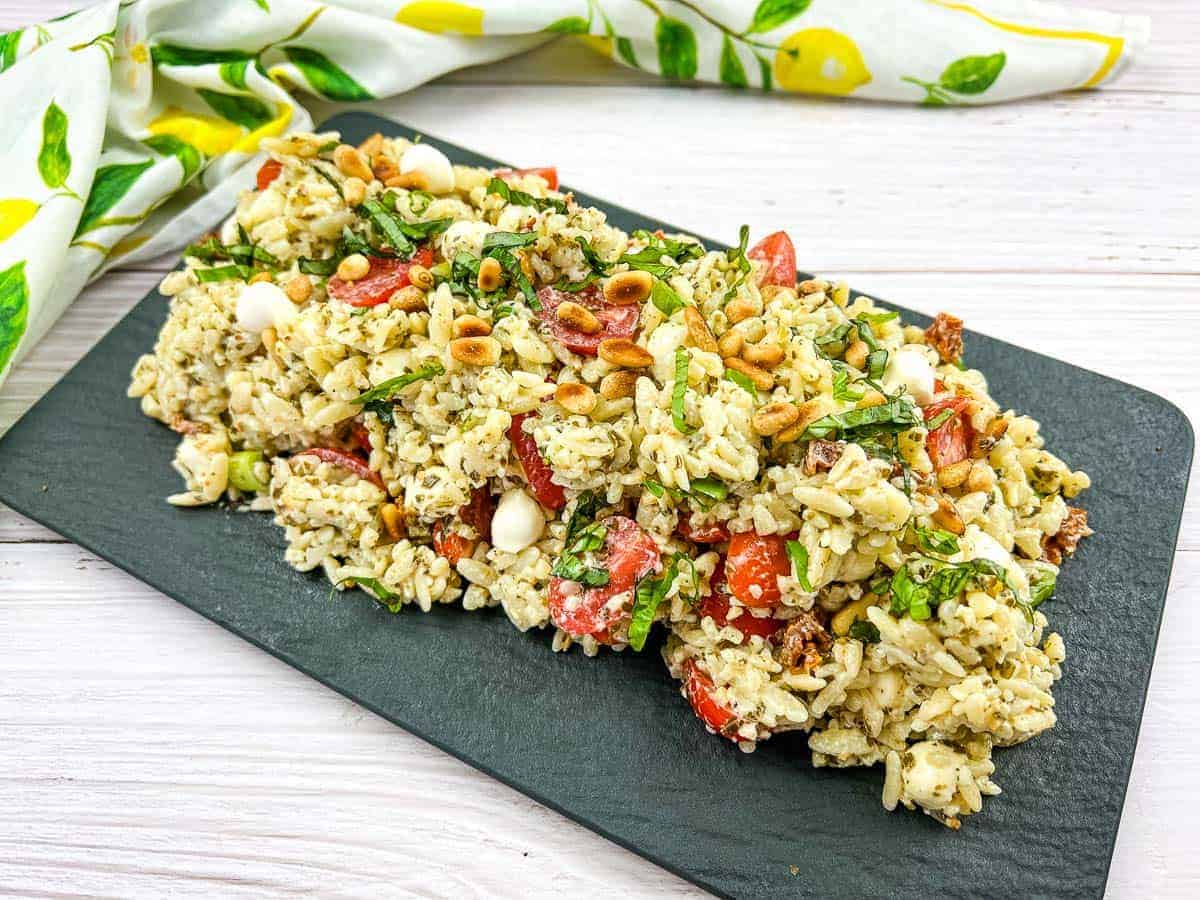
There’s no shortcut when it comes to texture and timing in Pesto Orzo Salad. Orzo gets cooked to the right point where it doesn’t clump up, and the mix-in is added only after things have cooled slightly. That one move keeps it all from getting soggy. Even the pesto holds better that way. It’s more about waiting than stirring, and that small detail makes it hold up longer.
Get the Recipe: Pesto Orzo Salad
Smoked Shotgun Shells
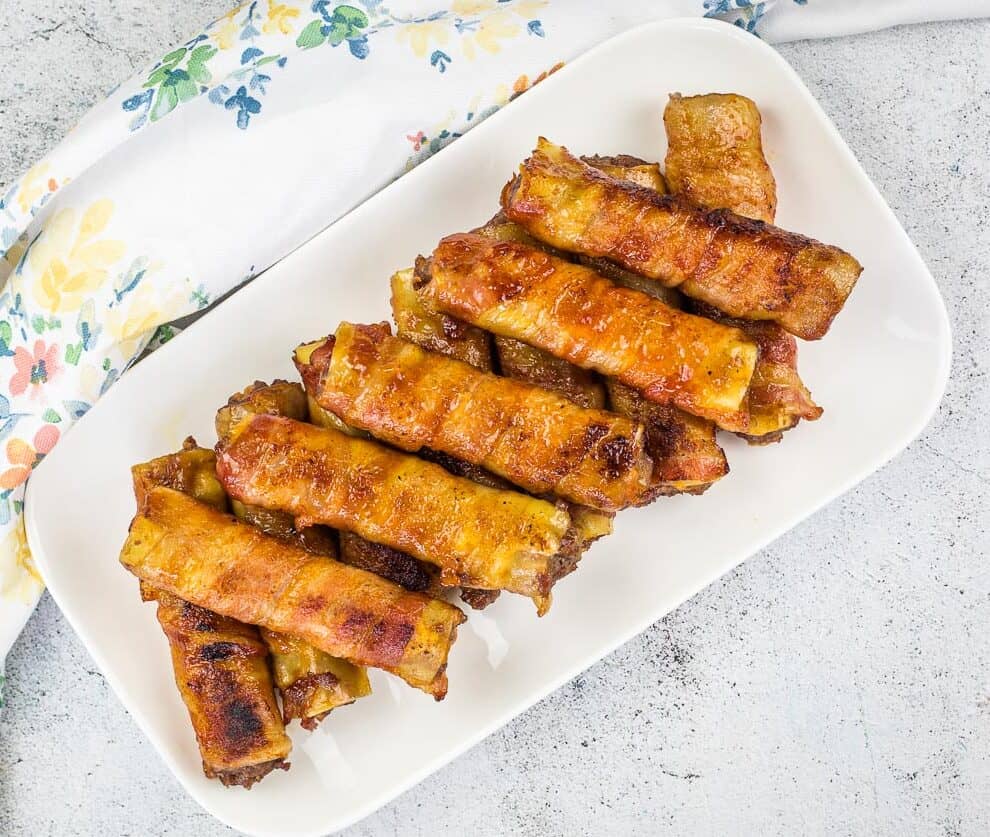
You can’t rush any part of Smoked Shotgun Shells, and skipping a step just messes it all up. The filling has to be chilled before it goes inside or it leaks, and the outer layer needs time to cook without burning. That balance comes from a slow, even cook, not just from heat. The whole point is letting it firm up as it cooks. That’s how it stays together without drying out.
Get the Recipe: Smoked Shotgun Shells
Creamy Tuscan Soup with Sausage and Kale
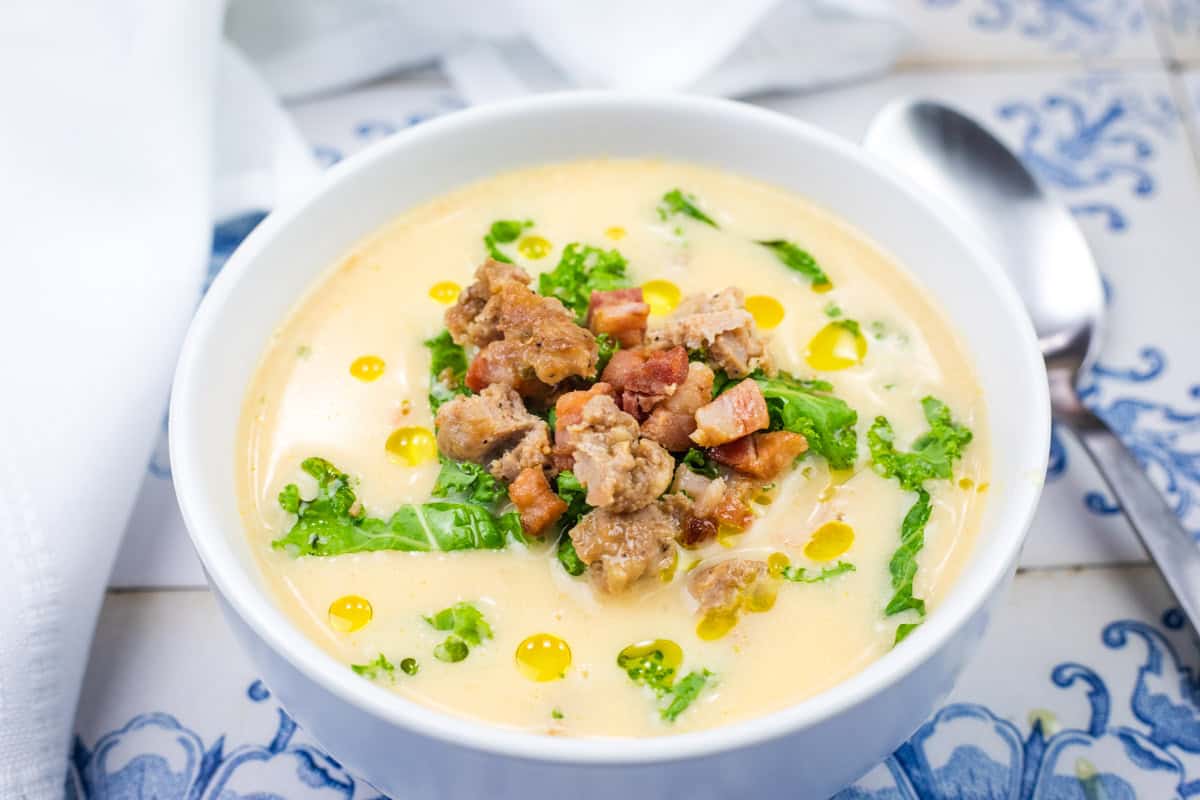
Getting it right means not dumping everything in and walking away. Creamy Tuscan Soup with Sausage and Kale works because the base builds in layers—browning first, softening second, finishing last. Kale needs to hold its own, and sausage needs to bring flavor without taking over. Each part has its role, and none of them are rushed. That’s what keeps it from tasting like one flat spoonful.
Get the Recipe: Creamy Tuscan Soup with Sausage and Kale
Salmon Pasta Salad

Cold pasta dishes often get soggy or bland, but Salmon Pasta Salad avoids both by sticking to a specific order and temperature. The pasta is cooled just enough before mixing so it holds its shape and doesn’t turn sticky. Salmon is added last to keep it from breaking apart in the mix. Even small details, like when it’s tossed, make a big difference. The result is clean, separate textures that don’t blend into mush.
Get the Recipe: Salmon Pasta Salad
Blackstone Tortellini with Meatballs
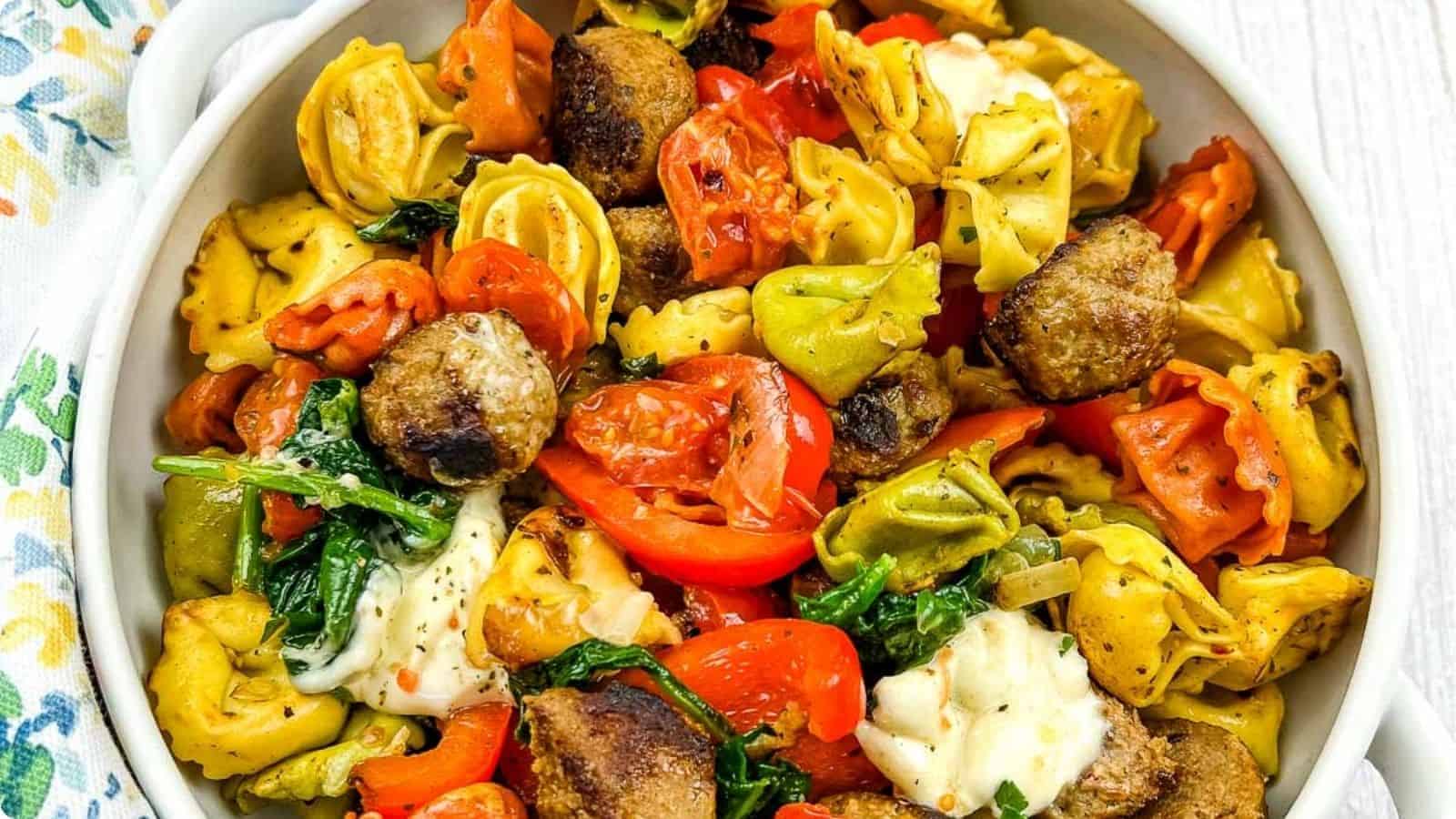
Griddling pasta sounds strange until you see how Blackstone Tortellini with Meatballs holds up under heat. The tortellini gets a quick sear, locking in its shape and giving a texture that’s way more interesting than just boiling. Meatballs are cooked just right to stay juicy without breaking apart. That’s what makes it different from other one-pan dishes—it’s built to handle the heat without falling apart.
Get the Recipe: Blackstone Tortellini with Meatballs
Pasta with Fresh Cherry Tomato Sauce

Nothing’s crushed or boiled too long in Pasta with Fresh Cherry Tomato Sauce, which is why it keeps such a clean finish. The tomatoes aren’t mashed into a paste but cooked lightly until they burst just enough. That way, the sauce stays loose but still coats every bite. The pasta gets added straight into the pan at the right moment, not before. Timing does the work—no need for extra ingredients.
Get the Recipe: Pasta with Fresh Cherry Tomato Sauce
Chicken Cordon Bleu Casserole
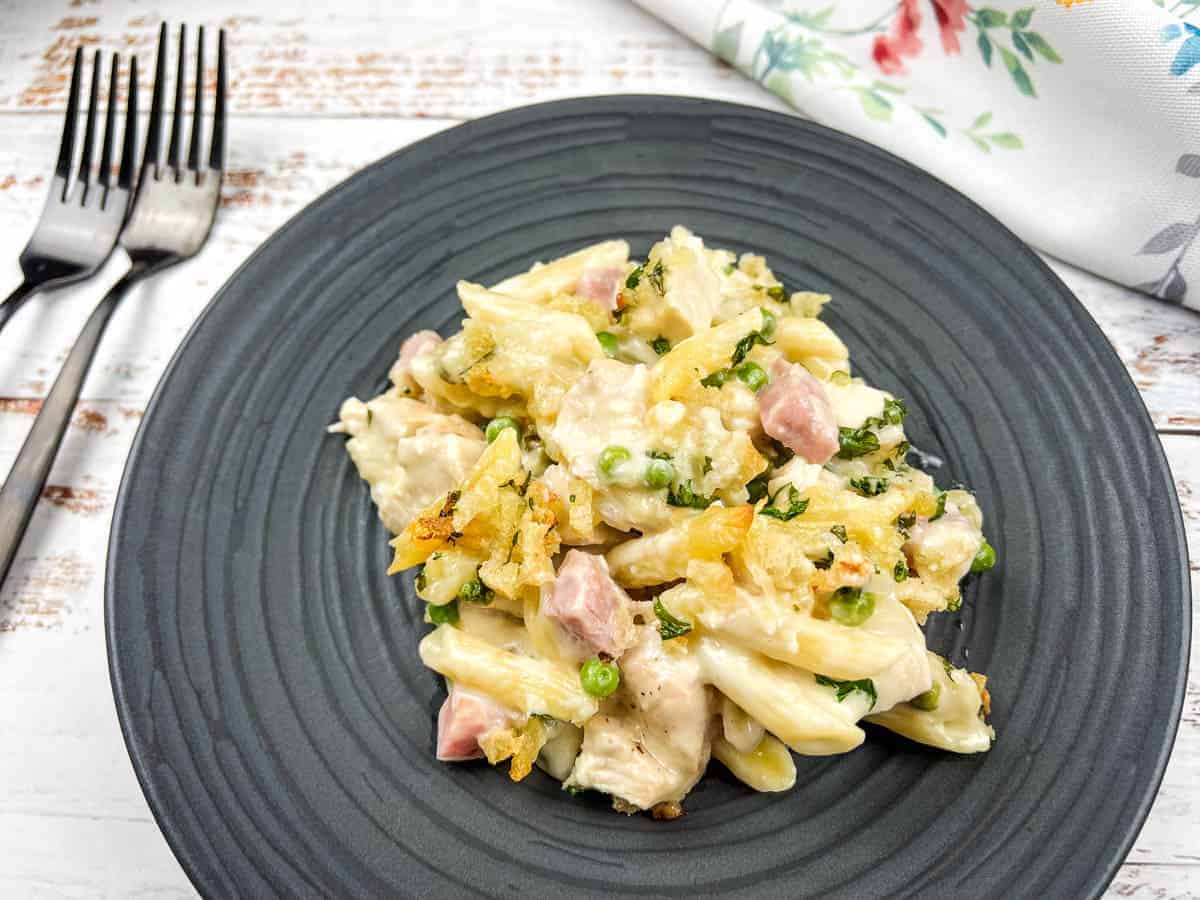
Some casseroles are just leftovers in disguise, but Chicken Cordon Bleu Casserole uses structure to hold things together. The key is keeping each piece dry and crisp before layering so it doesn’t turn into a soft mess. Cheese gets added carefully to prevent runoff, and there’s no dumping from a bowl. Everything is stacked, not stirred. That’s what makes it feel like something you built, not just mixed.
Get the Recipe: Chicken Cordon Bleu Casserole
Steak & Pasta Salad
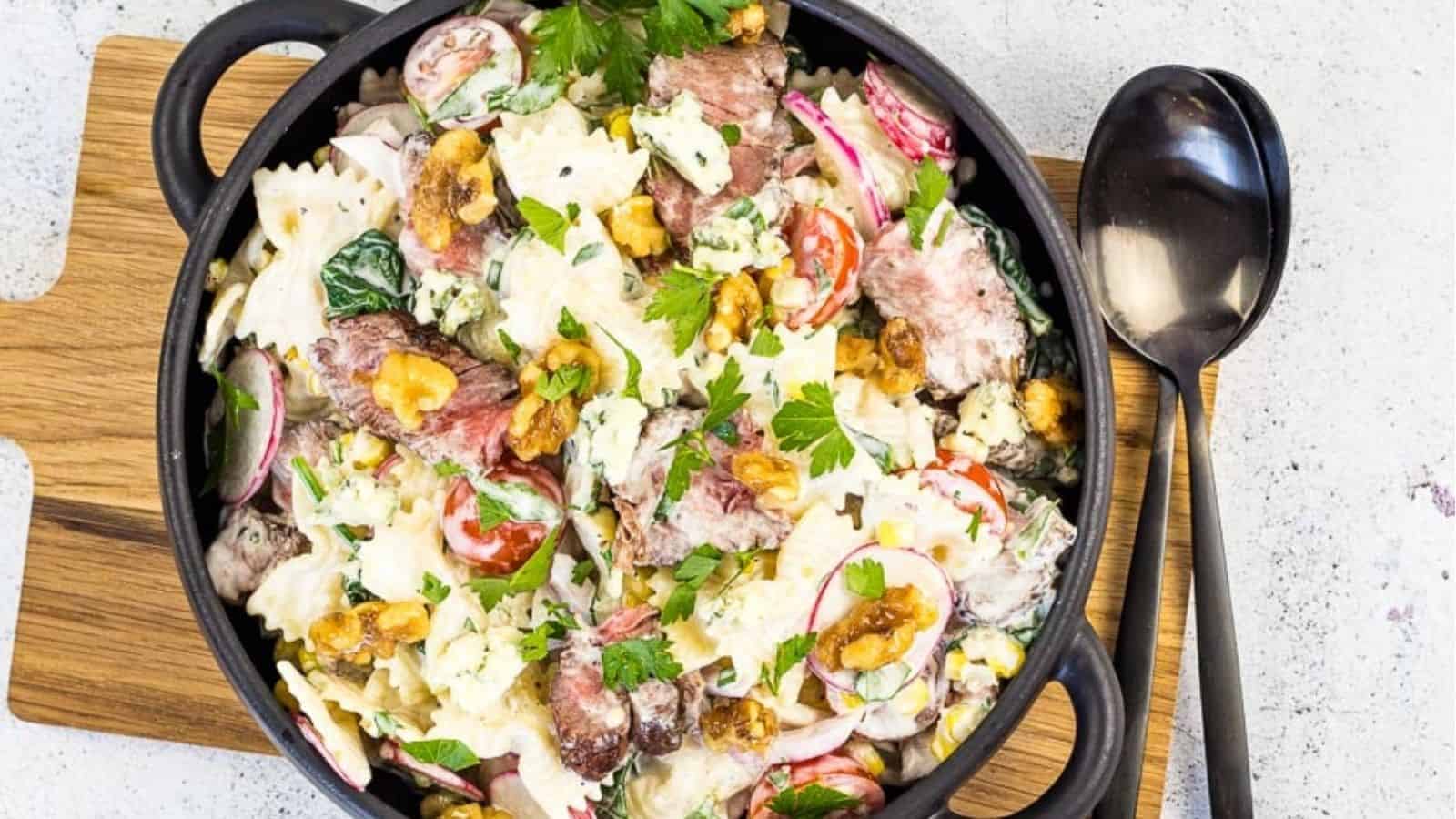
Warm and cool don’t usually work together unless they’re timed right. Steak & Pasta Salad depends on resting, not rushing—especially for the steak. The pasta needs time to cool before anything gets added, or the texture disappears. Mixing happens when both are ready, not right off the heat. That way, the flavor stays clear, and nothing gets drowned out or mushy in the bowl.
Get the Recipe: Steak & Pasta Salad
Easy Skillet Lasagna
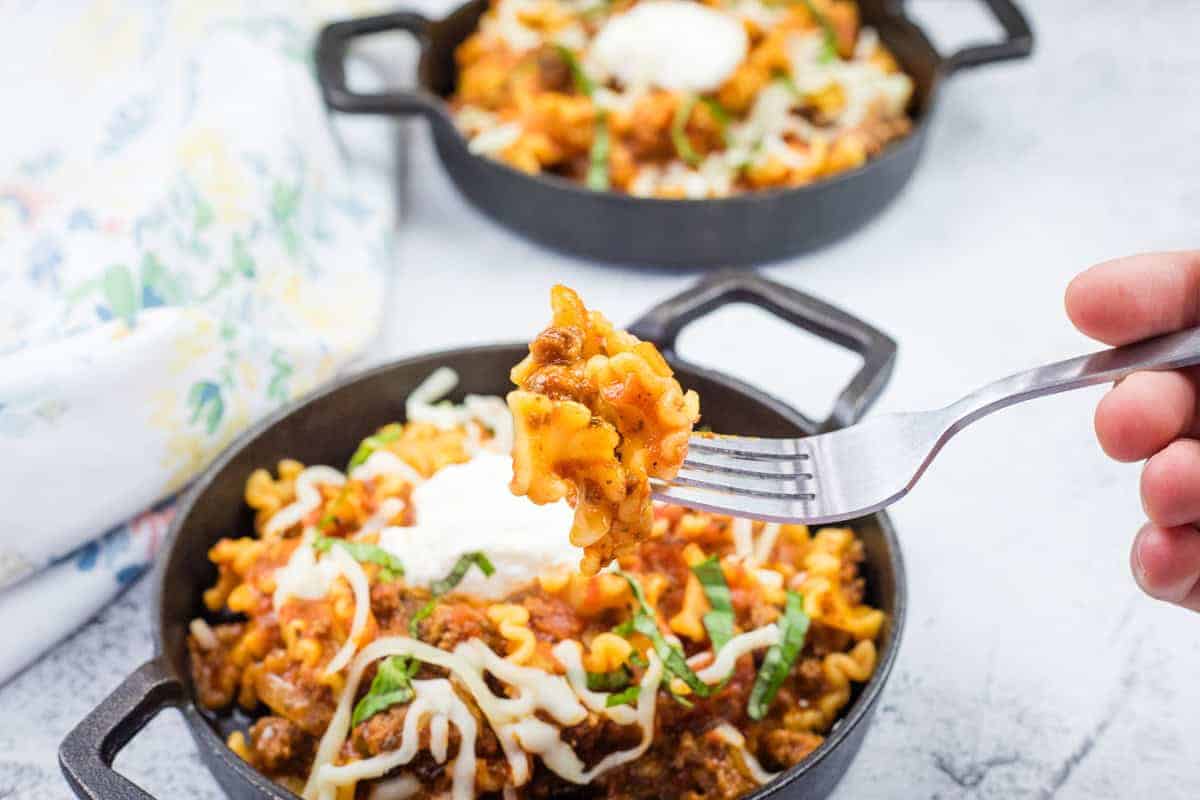
You’d think something with “easy” in the name might cut corners, but Easy Skillet Lasagna does the opposite. Each layer is added with care, right in the pan, so it builds structure as it cooks. The pasta isn’t fully cooked beforehand, which lets it soak in flavor without turning soft. Sauce and cheese are spread, not dumped. That’s why it stays clean even when served right from the pan.
Get the Recipe: Easy Skillet Lasagna
Sausage & Broccoli Rabe Pasta
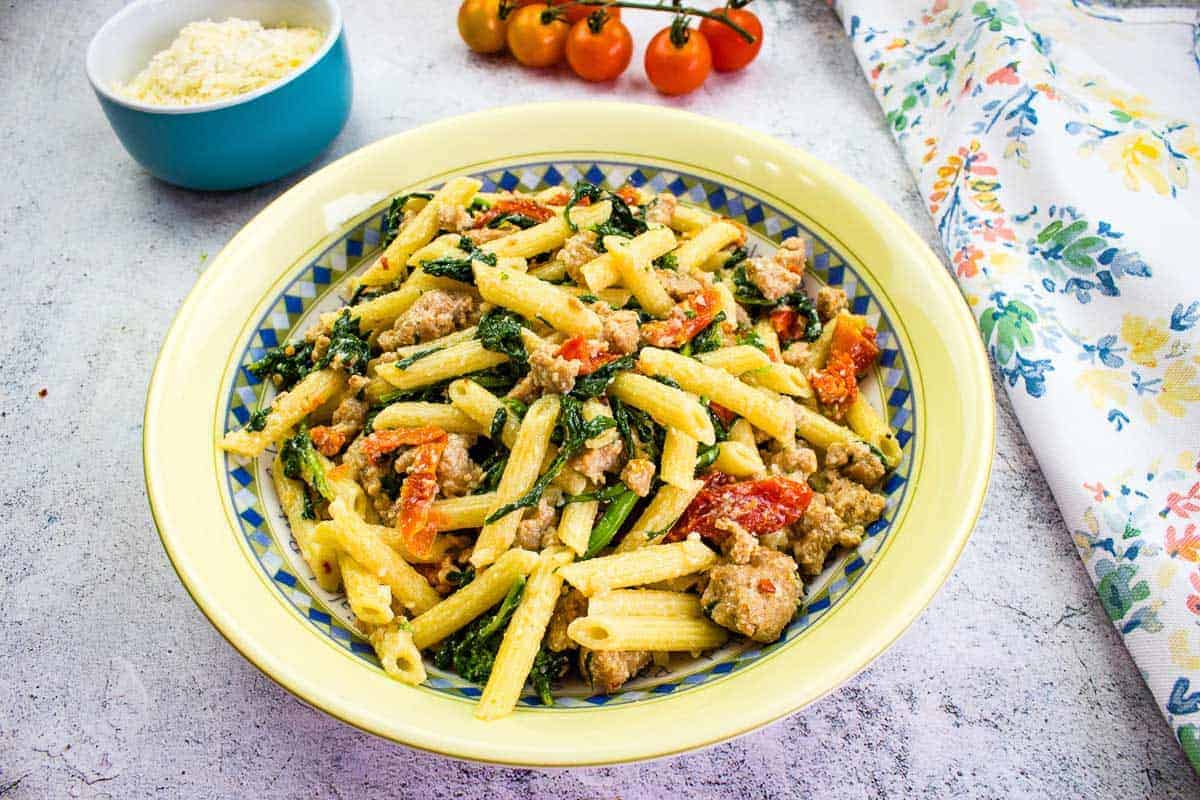
Bold doesn’t mean sloppy. Sausage & Broccoli Rabe Pasta only works if the greens are treated right and not overcooked. They go in late, just enough to soften without turning dark or bitter. The sausage is browned ahead to bring out the flavor without drying out. Mixing happens gently and in the right order so everything holds its place. It’s built in steps, and that’s what keeps the whole thing balanced.
Get the Recipe: Sausage & Broccoli Rabe Pasta