
Brown Sugar Mustard Glaze for Ham – A 1950s Holiday Classic
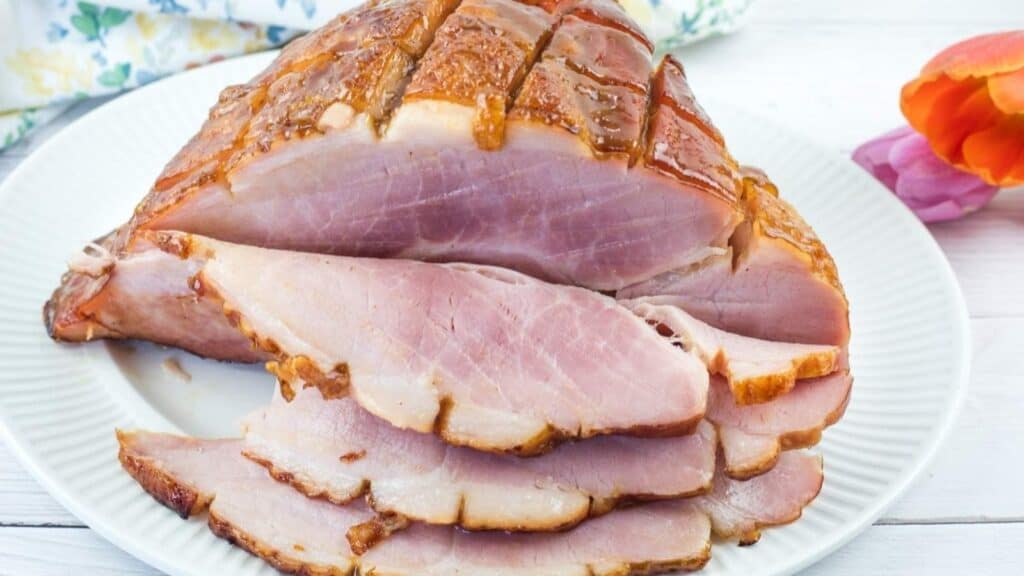
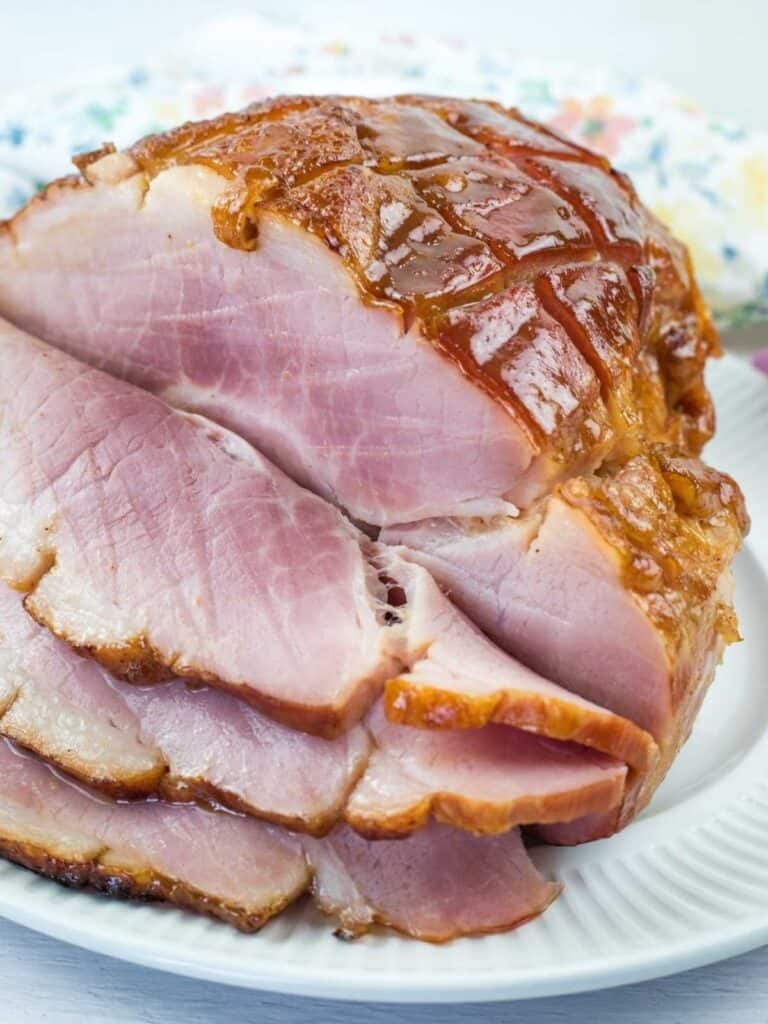
This is the glaze I reach for when I want a holiday ham that looks like it came out of a 1956 cookbook photo. Brown sugar, Dijon, a splash of cider vinegar, and a whisper of cloves. That’s it, and that’s all it takes for people to ask for seconds.
This post may contain affiliate link(s). As an Amazon Associate, I earn from qualifying purchases. See Disclosures.
I’ve made plenty of glazes over the years, and this one still wins for the ratio of effort to payoff. And, it’s not too sweet. Many glazes are so sweet that you can’t taste the spices. Not this one! You warm the ham, simmer the glaze on the stovetop, then finish hot so it lacquers onto the surface instead of sliding off.

You'll get ad-free recipes like:
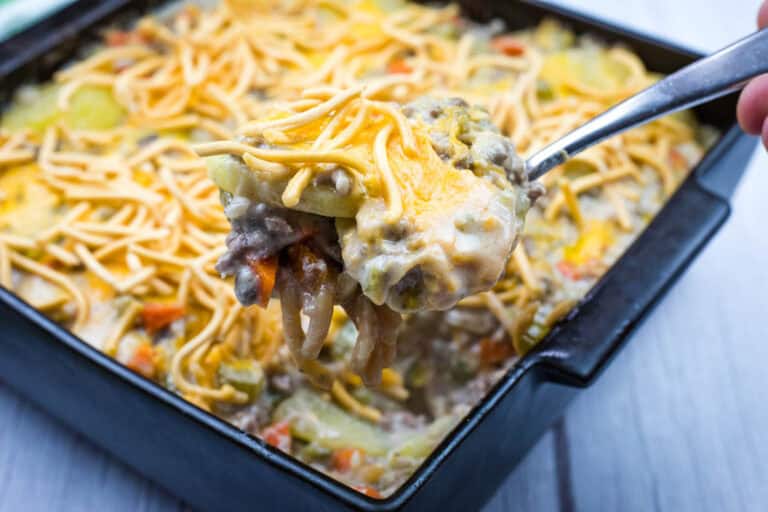
Spaghetti Casserole,
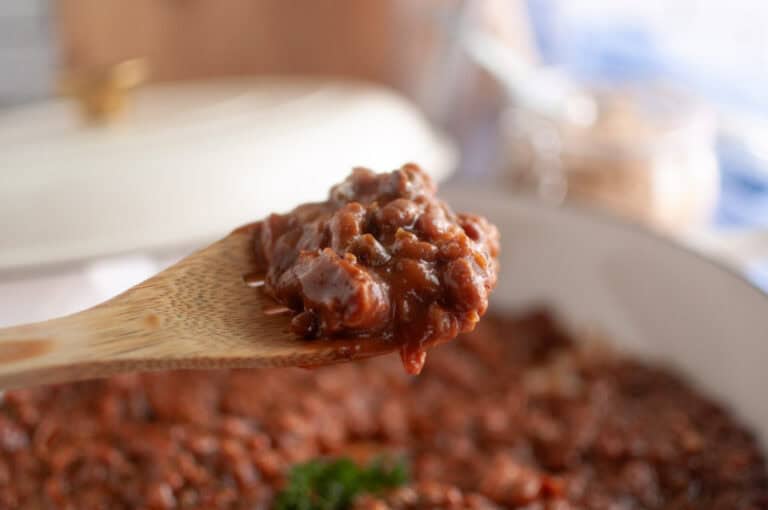
Sloppy Joe Casserole,
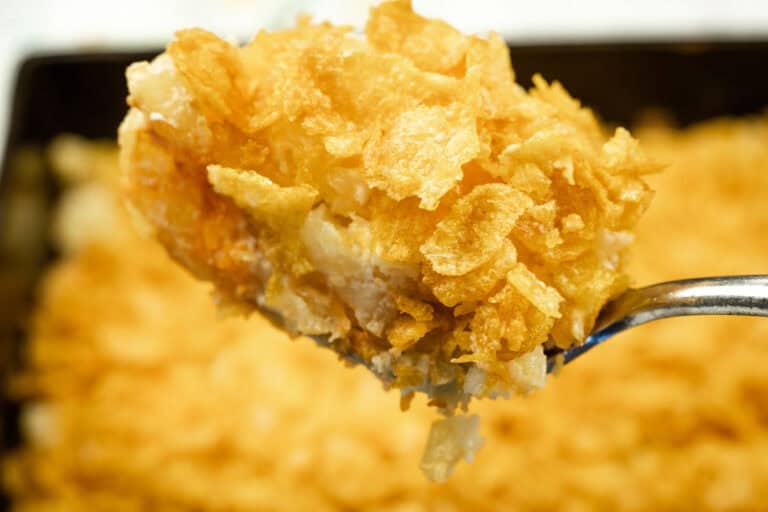
Cowboy Casserole,
and more!

31 of Chef Jenn's FAVE Casseroles
I've gathered 31 of my favorite casseroles for you and your family to love, all in a convenient ebook with no ads and no AI! Each of these scratch-made dishes is created, tested, and loved by Chef Jenn. Get your instant download now!
This is a digital product. You'll receive an instant download link after purchase.
Chef Jenn’s Take on Brown Sugar Mustard Glaze for Ham
Most ham glaze recipes online tell you to pour everything over a cold ham and bake it for two hours. That’s how you end up with a ham that’s either dry or glaze-less, depending on which you’re more afraid of. The glaze either scorches before the ham is hot, or the ham is hot before the glaze has anywhere to grip.
The fix is the two-temperature method. Heat the ham through at 325°F under foil first. Then pull it out, raise the oven to 375°F, brush on the glaze, and finish it hot and uncovered. The higher heat is what caramelizes the sugar into that sticky, glassy coating people associate with a proper holiday ham. Skip the temperature bump and you’ll get syrup, not lacquer.
For more holiday-table mains in this tradition, browse the Retro Recipe Book main dish collection.
What You’ll Love About This Ham Glaze
- It uses five ingredients you probably already have, which is why your grandmother’s generation treated this kind of glaze as standard issue for Easter, Christmas, and every ham dinner in between.
- The active time is about twelve minutes. Everything else happens in the oven, which is exactly the kind of holiday-cooking math I’m looking for when I’ve got six other dishes going.
- It turns a plain supermarket boneless ham into something that looks and tastes like real effort, without the effort.
The History Behind Brown Sugar Mustard Glazes
Brown sugar and mustard ham glazes trace back to the American home-cooking boom of the mid-20th century, when pre-cooked and cured hams became a grocery-store staple and cooks needed a way to dress them up for Sunday dinners and holiday tables. Brown sugar was plentiful, prepared mustard was in every icebox, and ground cloves had long been the signature warm spice of American ham cookery. The formula showed up across 1950s and 1960s community cookbooks, Junior League collections, and the back of ham packaging itself, usually with slight variations of sugar, mustard, and a splash of something acidic like cider vinegar, pineapple juice, or orange juice. It became one of those recipes nobody claimed to have invented because by then, it belonged to everyone.
Ingredients
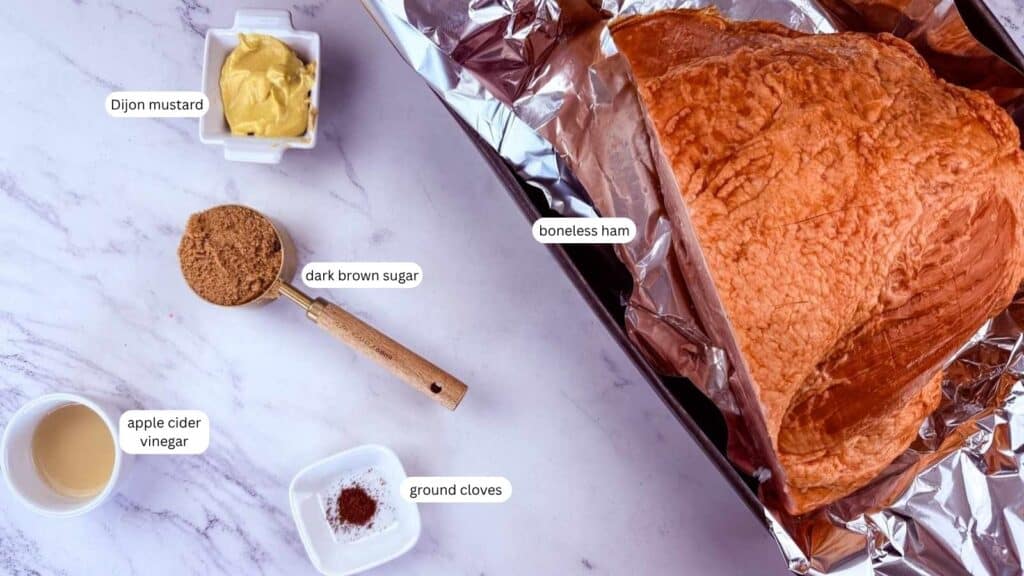
- Boneless ham – A pre-cooked, spiral or unsliced boneless ham. Bone-in works too, it’ll just need longer to heat through. If your ham is pre-sliced, even better for glaze distribution.
- Dark brown sugar – Dark, not light. Dark has more molasses, which is what gives the glaze its depth and color. Light brown will work, but the finish is paler and thinner.
- Dijon mustard – Smooth Dijon, not whole-grain. The smooth version emulsifies into the glaze cleanly; grainy mustard gives you a patchy, speckled finish that doesn’t lacquer the same way.
- Apple cider vinegar – Cider vinegar, not white. It’s sharper and fruitier, which is what balances the brown sugar. In a pinch, a splash of pineapple juice is the classic mid-century swap.
- Ground cloves – An eighth of a teaspoon is already a lot. Cloves dominate fast. Measure, don’t eyeball.
How to Make Brown Sugar Mustard Glazed Ham
Scroll down for the full recipe card with exact measurements and printable instructions.
Preheat the oven to 325°F. Set the ham in a baking dish and cover it tightly with foil. Bake for about 45 minutes, or until the ham is heated through. You’re just warming it, not cooking it.
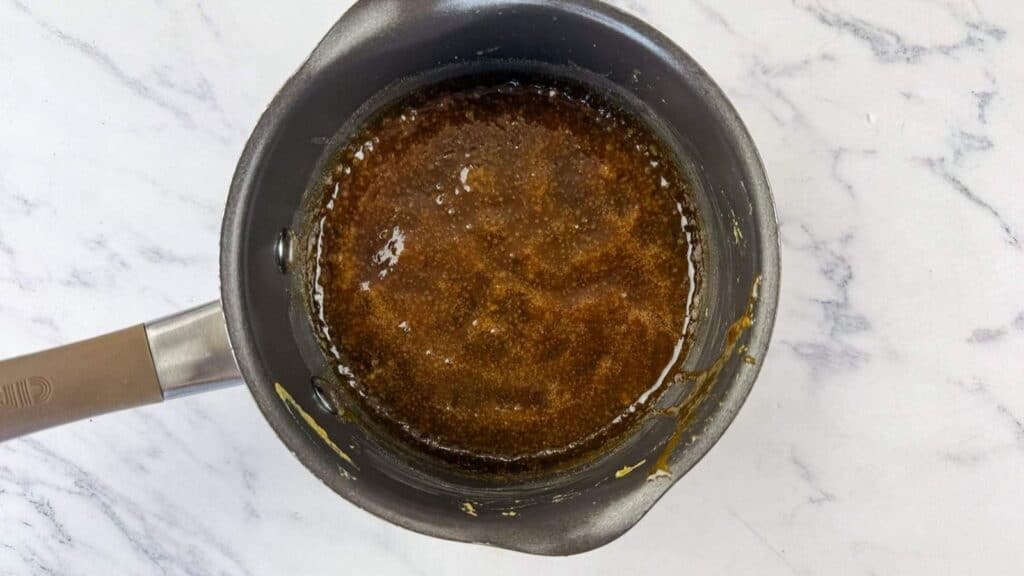
While the ham warms, make the glaze. Combine the dark brown sugar, Dijon, cider vinegar, and ground cloves in a small saucepan. Bring it to a boil, then drop the heat and simmer for about 10 minutes, until it thickens slightly and looks glossy. It should coat the back of a spoon.
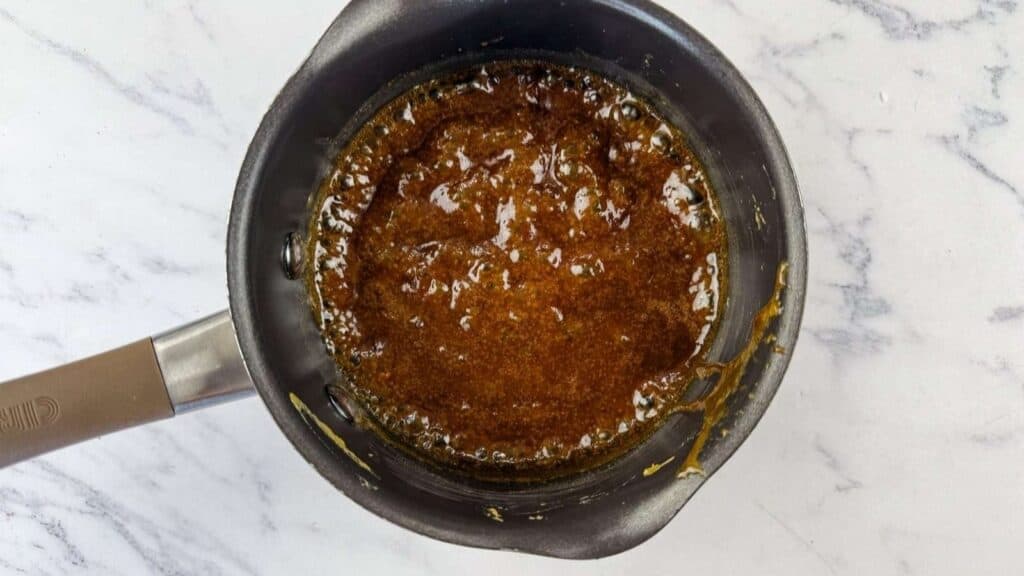
Pull the ham out of the oven and discard the foil. Bump the oven up to 375°F. The temperature jump matters. This is where the caramelization happens.
Brush the glaze generously over the entire surface of the ham. Let it run down into any seams or spiral cuts. If your ham is pre-sliced, work glaze between the slices with the back of the brush so it seasons the interior meat, not just the crust.
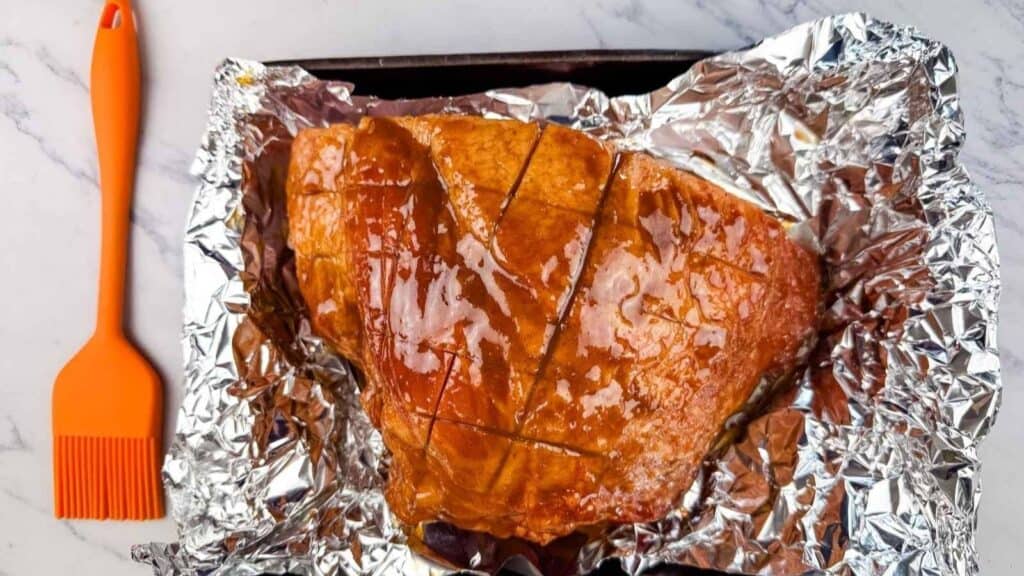
Return the ham to the oven, uncovered, and bake for another 30 minutes. Baste with the pan drippings once or twice during that window. You’re looking for a sticky, slightly darkened, lacquered finish on the exterior.
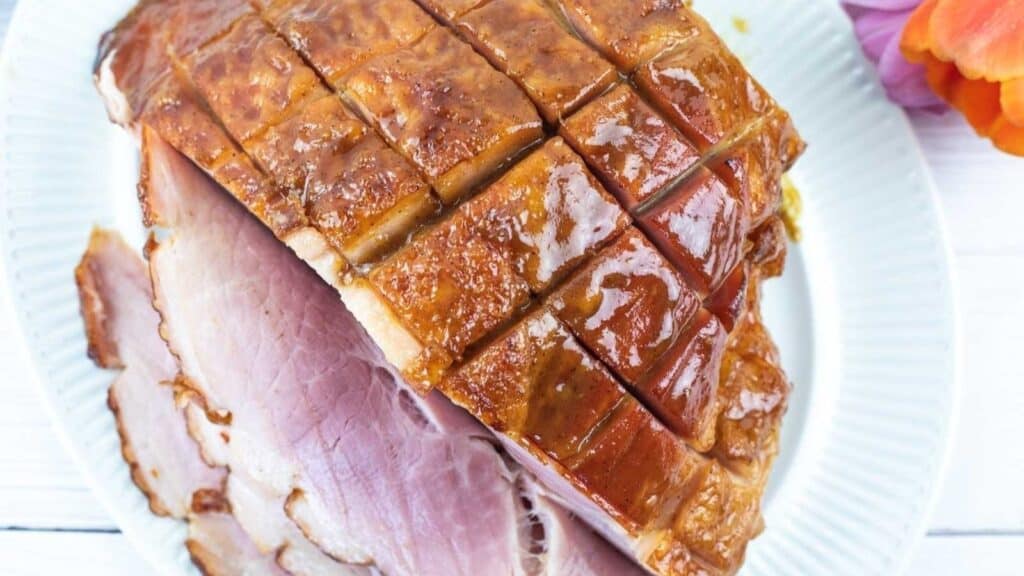
Rest the ham for 15 minutes before slicing. This is non-negotiable. The glaze needs to set up, and the ham needs to redistribute its juices.
Make It A Meal
I serve this with Grandma’s Mashed Potatoes and Honey Roasted Baby Carrots for the standard Easter spread. Both give you something to drag through the extra glaze on the platter, which is the entire point.
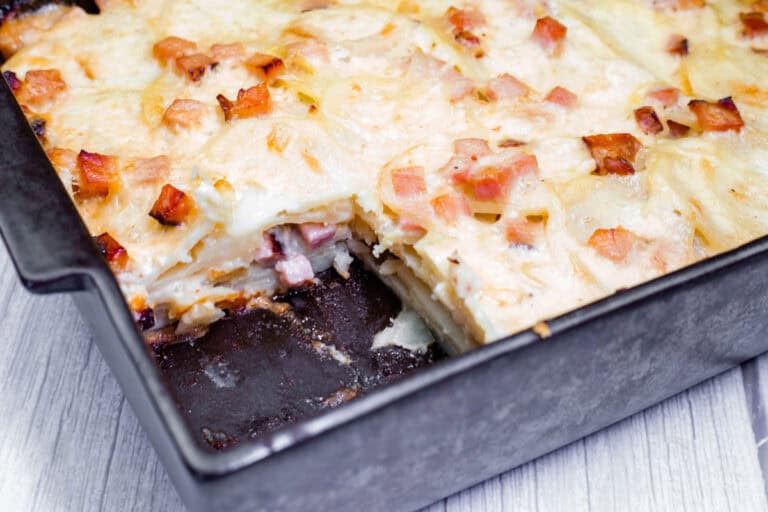
For a bigger holiday table, add Roasted Green Beans with Almonds and Lemon for a sharper counterpoint, or go full 1960s with Grandma’s Creamed Peas. And if you end up with a bone and leftover ham, Scalloped Potatoes with Ham and Cheese is the next-day move I make every time.
Storage
Store leftover glazed ham in an airtight container in the refrigerator for up to 4 days. Reheat gently, covered with foil, in a 325°F oven so the glaze doesn’t scorch. Sliced ham freezes well for up to 2 months, though the glaze texture softens after thawing.
Frequently Asked Questions
You can, but the glaze will taste flatter and a little one-note. Dijon brings a sharp, wine-forward edge that balances the brown sugar. Yellow mustard is milder and sweeter, so if you sub it in, cut the brown sugar by a tablespoon to keep the balance.
I like scoring every ham unless it is a spiral cut. This way, the glaze soaks into the meat and every bite has some of that tasty goodness. If yours is spiral-cut, the glaze already has plenty of surface area.
Yes. Simmer the glaze up to 2 days ahead and refrigerate it in a jar. Rewarm it on the stovetop for a minute or two before brushing it on, because cold glaze won’t spread evenly on a hot ham.
Whisk in a teaspoon of warm water or cider vinegar at a time until it’s brushable. Brown sugar glazes thicken as they cool, so if it’s been sitting, a quick rewarm usually fixes it.
Brown Sugar Mustard Glaze for Ham
Ingredients
- 6 pounds boneless ham
- 1/4 cup dark brown sugar
- 2 tablespoons Dijon mustard
- 2 teaspoons apple cider vinegar
- 1/8 teaspoon ground cloves
Instructions
- Preheat the oven to 325°F.
- Place the ham in a baking dish, cover tightly with foil, and bake for about 45 minutes, or until heated through.
- Combine the dark brown sugar, Dijon mustard, apple cider vinegar, and ground cloves in a small saucepan.
- Bring the mixture to a boil, then reduce the heat and simmer for about 10 minutes, until slightly thickened and glossy.
- Remove the ham from the oven and discard the foil. Increase the oven temperature to 375°F.
- Brush the glaze evenly over the ham, letting it run over the surface and into any natural seams or slice openings.
- Return the ham to the oven, uncovered, and bake for another 30 minutes, basting once or twice, until the glaze is caramelized.
- Rest the ham for 15 minutes before slicing and serving.
Video
Notes
Recipe Card Tips
- The two-temperature method is the whole trick. 325°F under foil gets the ham hot; 375°F uncovered caramelizes the glaze. If you try to do both at one temperature, you’ll sacrifice either the interior or the exterior.
- If your ham is spiral-sliced, work the glaze between the slices with the back of a pastry brush. The interior meat is where most of the dryness complaints come from, and glaze between the slices seasons and moistens it as it bakes.
- The 15-minute rest isn’t optional. The glaze is molten when the ham comes out of the oven and it needs to set into a sticky coating, not a runny one. Slicing too early gets you glaze in the carving tray instead of on the meat.
Nutrition
A Note on Nutritional Information
Nutritional information for this recipe is provided as a courtesy and is calculated based on available online ingredient information. It is only an approximate value. The accuracy of the nutritional information for any recipe on this site cannot be guaranteed.


This is a lot like the brown sugar and mustard glaze my grandmother made for all her pork roasts and hams. Dark brown sugar, spicy brown mustard, some lemon juice and cinnamon and cloves boiled together, then strained. Grandma insisted that it had to go on a still hot roast or ham and she would turn the oven up about 30 to 50 degrees Fahrenheit for 20 minutes after she put on the glaze. It made the best ham and pork roasts! Dad mixed spicy brown mustard into his liquid ham cures after he watched her make it one Christmas. Made better traditional hams and no one could figure out just what he was doing!
Hi Tammy, what great memories! And, thanks for the tip – I have to try this on pork roast! ~Jenn