The Evolution of Comfort Foods: From Casseroles to Culinary Creations
Comfort food — just saying the words brings to mind warm, hearty dishes that make you feel good both inside and out. But what exactly makes a dish “comforting,” and how has this concept evolved over the years? Let’s discover how comfort foods have changed through the decades, reflecting shifts in our tastes and lifestyles.
The 1930s and 1940s: Casseroles and Resourceful Cooking
During the Great Depression and into the 1940s, casseroles became a staple in American kitchens. These dishes were born out of necessity, designed to stretch ingredients and feed families during tough times. With ingredients like canned soups, pasta, and vegetables, casseroles were a way to make a little go a long way. As World War II brought rationing, the popularity of these all-in-one meals only grew. Casseroles like tuna noodle and the iconic green bean variety, with its mix of green beans, mushroom soup, and fried onions, became household staples, offering both comfort and practicality.
The 1950s: Convenience Takes Center Stage
After World War II, convenience became the top priority. The 1950s saw casseroles solidify their place in American cuisine, embodying the era’s “meat and three” dinner philosophy. These dishes were easy to prepare and clean up, fitting perfectly into the growing culture of convenience. The humble tuna noodle casserole, with its creamy mix of tuna, noodles, and peas, topped with crispy breadcrumbs, was a perfect representation of the time. Recipes like the classic “Green Bean Casserole” became symbols of post-war prosperity, reflecting a shift toward more accessible, family-friendly meals.

You'll get ad-free recipes like:
Spaghetti Casserole,
Sloppy Joe Casserole,
Cowboy Casserole,
and more!

31 of Chef Jenn's FAVE Casseroles
I've gathered 31 of my favorite casseroles for you and your family to love, all in a convenient ebook with no ads and no AI! Each of these scratch-made dishes is created, tested, and loved by Chef Jenn. Get your instant download now!
This is a digital product. You'll receive an instant download link after purchase.
The 1960s and 1970s: International Flavors and the Rise of the TV Dinner
As the world became more connected, so did our food preferences. The 1960s and 1970s introduced a broader palate of international flavors into the American diet. This period saw the introduction of dishes like beef stroganoff and chicken fricassée, which brought a taste of European cuisine to the American table.
However, the era was also marked by the convenience of the TV dinner — a true hallmark of the time. These pre-packaged meals, often featuring meatloaf, mashed potatoes, and corn, were a nod to both convenience and comfort. The rise of frozen foods meant that comfort could come straight from the freezer and into the microwave. It was a new kind of comfort food: quick, simple, and perfectly in tune with the fast-paced lifestyle of the era.
The 1980s and 1990s: Health Consciousness and Fusion Cuisine
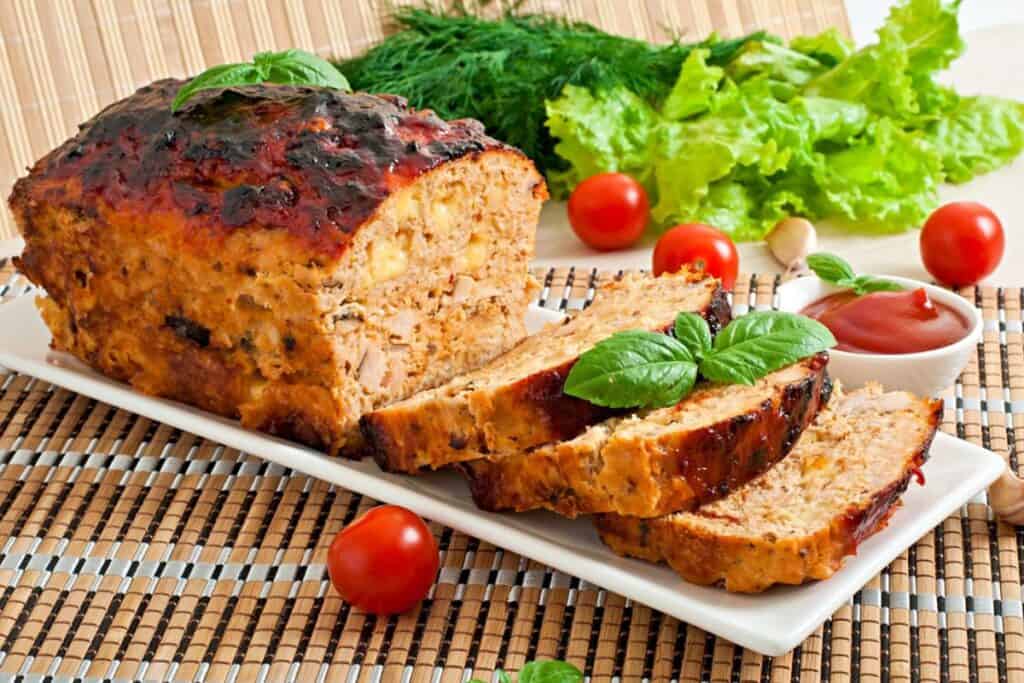
As the 1980s rolled around, there was a growing awareness of health and wellness, which began to influence our comfort food choices. Traditional dishes started to get a makeover with lighter ingredients and healthier twists. For instance, the classic meatloaf might now come with leaner ground turkey instead of beef, and casseroles might swap out cream for yogurt.
The 1990s, on the other hand, were a time of culinary experimentation. The fusion food trend began to take hold, blending different cultural influences into familiar comfort dishes. Think of dishes like teriyaki chicken pizza or spicy Thai curry pasta. This was an era where it wasn’t uncommon to find a mash-up of flavors and techniques that reflected a more adventurous palate. Comfort food was no longer just about nostalgia; it was also about discovery and excitement.
The 2000s and 2010s: Artisanal and Gourmet Twists
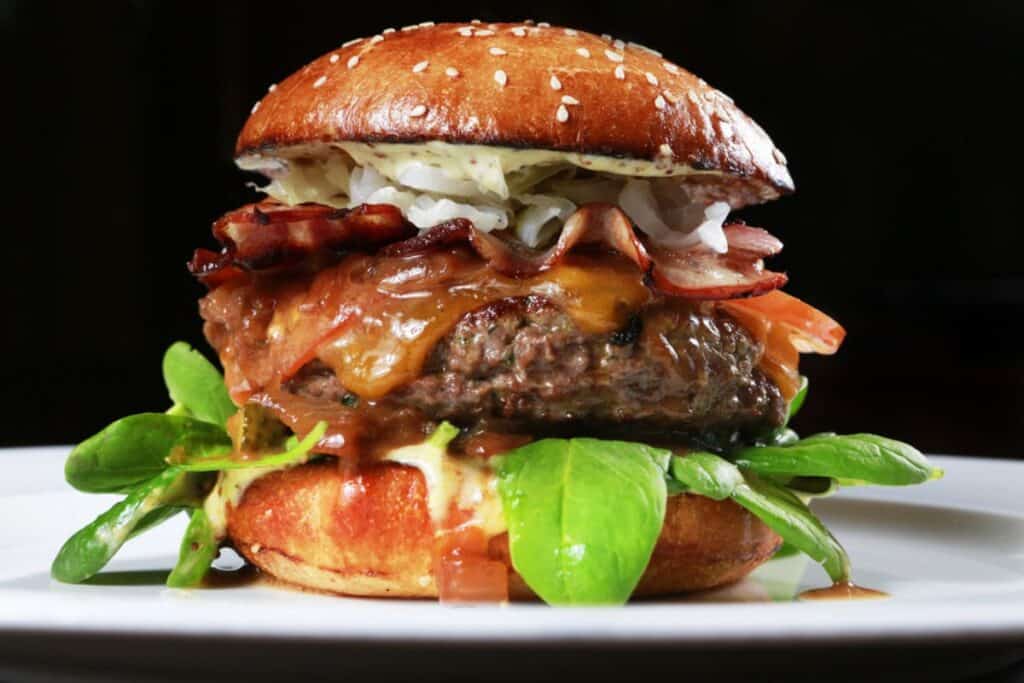
As the 2000s began, there was a significant shift towards artisanal and gourmet interpretations of classic comfort foods. The farm-to-table movement took hold, and suddenly, comfort foods were getting a fresh, upscale makeover. Macaroni and cheese, for instance, evolved from a simple, cheesy casserole to a gourmet dish featuring truffle oil or lobster.
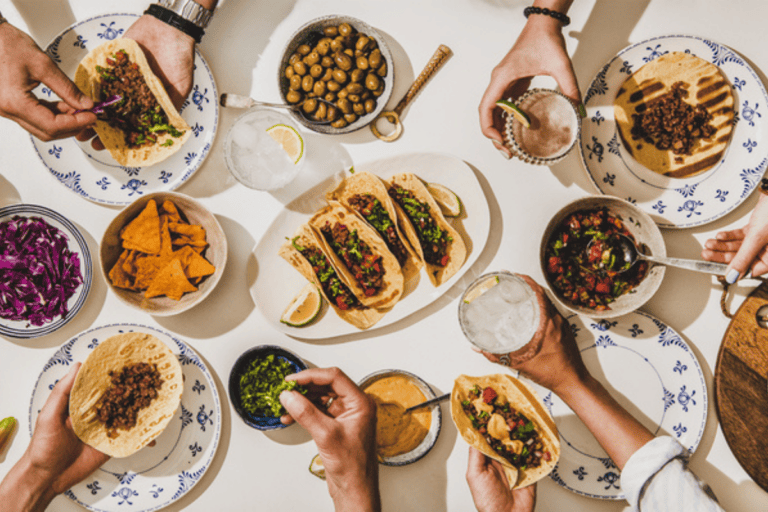
Meanwhile, the rise of food television and blogs introduced a new generation to a variety of global comfort foods. Dishes like Korean BBQ tacos or spicy Moroccan tagines became mainstream, reflecting an increased appreciation for diverse culinary traditions. The focus was on quality ingredients and sophisticated flavors while still maintaining that comforting essence.
The 2020s: Plant-Based and Comfort Reimagined
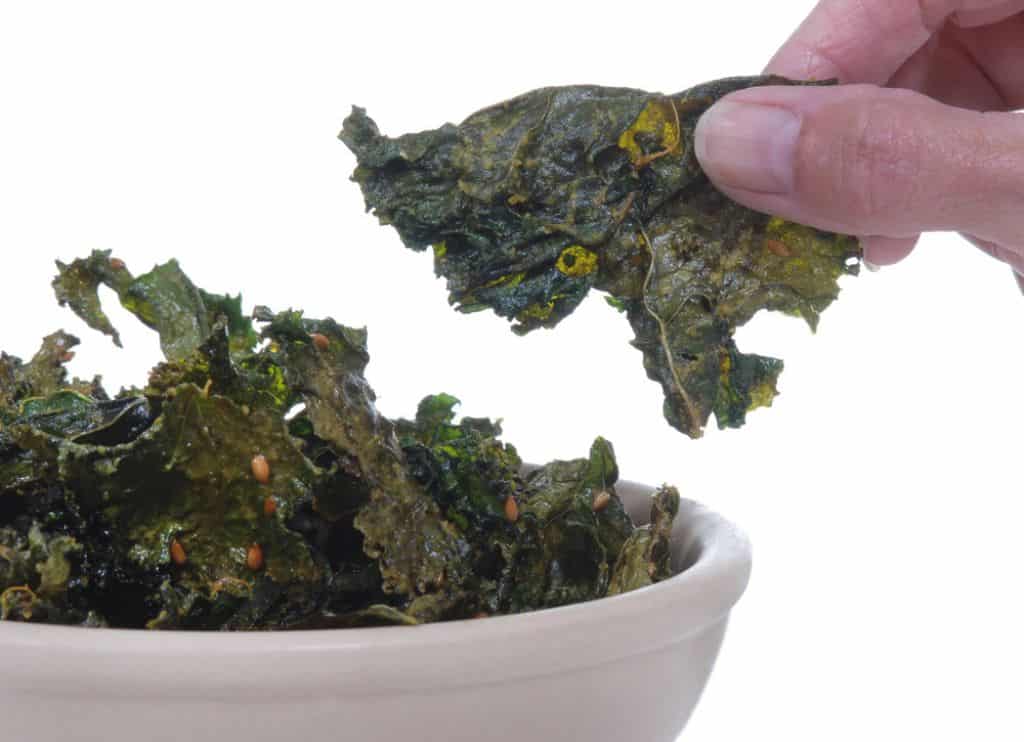
Now, as we move through the 2020s, comfort food continues to evolve with the times. There’s a growing focus on plant-based diets, and many traditional comfort dishes are being reimagined with plant-based ingredients. For example, vegan shepherd’s pie or jackfruit pulled “pork” sandwiches offer comforting flavors without the meat. This era is also characterized by a blend of nostalgic comfort with innovative twists — think of a classic chicken pot pie, now with a flaky, whole-grain crust and packed with a variety of fresh, organic vegetables.
Another trend is the comeback of DIY food. Baking sourdough bread or crafting homemade pasta is both a comfort and a hobby, offering a hands-on approach to enjoying and sharing comfort food.
A Taste of Today
The evolution of comfort food reflects our changing tastes and lifestyles. What began with resourceful casseroles has grown into a rich variety of flavors and ingredients. From the convenience of the TV dinner to the gourmet upgrades and plant-based innovations of today, comfort food continues to adapt, offering satisfaction in new and exciting ways.
So, the next time you find yourself craving a comforting dish, remember that you’re part of a rich culinary tradition that’s continually evolving. Whether it’s a nostalgic casserole or a modern plant-based creation, comfort food is always there to bring a little extra warmth to our lives.