The Evolution of Sunday Night Dinner: A Decade-by-Decade Journey
Sunday night dinners have always been a special occasion — a time to gather with family, unwind, and enjoy a meal that marks the end of the week. But if we look back over the decades, it’s fascinating to see how this cherished tradition has evolved. From classic, hearty meals in the 1950s to the more relaxed, globally influenced meals of today, Sunday night dinners have transformed significantly. So, let’s travel back a bit and see how the Sunday night dinner has evolved over the decades.

1950s: The Classic American Feast
In the 1950s, Sunday night dinners were all about tradition and comfort. Families would often gather around a table set with classic American dishes. Picture this: a roast beef, golden-brown and succulent, served with fluffy mashed potatoes, green beans, and a hearty gravy. This was the centerpiece of a typical Sunday meal, reflecting a time when home-cooked, hearty meals were a symbol of familial love and stability. Dessert usually meant a homemade pie, like apple or cherry, served warm with a scoop of vanilla ice cream.
1960s: The Rise of TV Dinners and Convenience
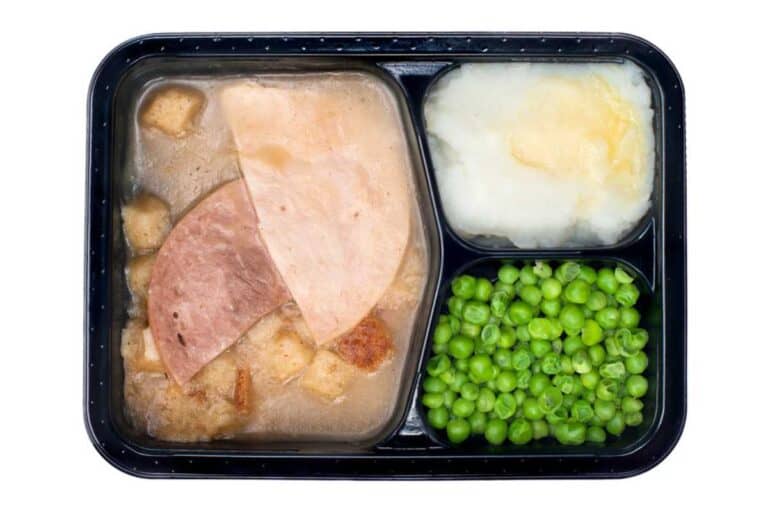
The 1960s brought about a shift in dining habits with the arrival of TV dinners. As television became a central part of family life, many people started to embrace the convenience of pre-packaged meals. While traditional Sunday dinners still held their place, the convenience of these frozen dinners made their way into many households. This decade also saw the rise of casseroles — dishes like tuna noodle casserole or green bean casserole became staples, reflecting the era’s love for easy, one-dish meals that could be prepared quickly.

You'll get ad-free recipes like:
Spaghetti Casserole,
Sloppy Joe Casserole,
Cowboy Casserole,
and more!

31 of Chef Jenn's FAVE Casseroles
I've gathered 31 of my favorite casseroles for you and your family to love, all in a convenient ebook with no ads and no AI! Each of these scratch-made dishes is created, tested, and loved by Chef Jenn. Get your instant download now!
This is a digital product. You'll receive an instant download link after purchase.
1970s: Global Flavors and Health Consciousness
By the 1970s, the American palate began to broaden, influenced by a growing interest in global cuisines. Sunday dinners started to incorporate a variety of international flavors. Italian dishes like spaghetti and meatballs, and Mexican fare like enchiladas and tacos, became popular. Additionally, the health food movement began to take root, so meals often included a greater emphasis on fresh vegetables and less processed foods. This decade marked a transition from purely traditional dishes to a more diverse menu.

1980s: The Era of Fancy Dining at Home
The 1980s were all about indulgence and presentation. Sunday night dinners began to reflect the era’s love for sophistication, with elaborate dishes making their way to the table. Beef Wellington, complete with its flaky pastry and rich filling, became a showstopper, while shrimp cocktail started to be featured as a sophisticated appetizer. This was also the era when many families began to experiment with new recipes and techniques, embracing cookbooks and cooking shows as sources of inspiration.
1990s: Casual and Comforting
As we moved into the 1990s, the pace of life began to pick up, and Sunday dinners became more relaxed and casual. The emphasis was on comfort and convenience rather than elaborate preparation. Dishes like lasagna and roast chicken became regular features, offering a mix of ease and satisfaction. The rise of food networks and celebrity chefs also brought a new level of creativity to home cooking, allowing families to experiment with new flavors while still sticking to comforting favorites.

2000s: Fusion and Family Time
The new millennium saw a blend of cultures and flavors at the Sunday dinner table. Fusion cuisine started to make its mark, bringing together elements from different culinary traditions. Think teriyaki chicken with mashed potatoes or tacos with a twist of Mediterranean flavors. At the same time, there was a renewed focus on family time and making the meal an opportunity to connect with loved ones. The focus was on creating a memorable experience, often with an array of dishes that reflected the diverse tastes of family members.
2010s to Present: Health, Sustainability, and Global Influences
In recent years, Sunday night dinners have become a reflection of modern values such as health and sustainability. Meals often feature locally sourced ingredients and organic produce, with a focus on plant-based options alongside traditional favorites. The global influence continues to grow, with dishes like sushi rolls and quinoa salads becoming common on the dinner table. There’s also a trend towards simplifying meals without sacrificing flavor, thanks to the popularity of sheet pan dinners and slow-cooker recipes.
Final Thoughts
The evolution of Sunday night dinner is a testament to how our lives, tastes, and values have changed over the decades. From the classic roasts of the 1950s to the global and personalized meals of today, Sunday dinners have continually adapted to fit the times. No matter what’s on the table, the heart of Sunday night dinner remains the same — a time to gather, enjoy, and connect with loved ones. As we look forward to the future, who knows what new traditions and flavors will define the Sunday night dinner of tomorrow?