Old Fashioned Lazy Daisy Oatmeal Cake
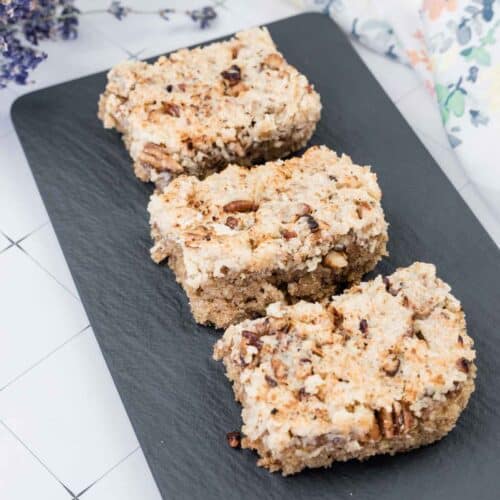
Moist, hearty, and crowned with a gooey coconut-pecan topping, Lazy Daisy Oatmeal Cake is one of those retro bakes that deserves a spot in every kitchen. The oatmeal keeps the crumb soft and tender, while the broiled glaze transforms into a golden, caramelized layer that’s both chewy and irresistible. It’s a true comfort cake; it’s simple, satisfying, and always a hit.

This post may contain affiliate link(s). As an Amazon Associate, I earn from qualifying purchases. See Disclosures.
I first tasted this cake at a neighborhood potluck, and it instantly became one of my go-to desserts. It’s built with pantry staples, requires no fancy techniques, and yet the results feel so special. The spiced oat base paired with the sweet, nutty topping makes each bite a balance of cozy and indulgent.

You'll get ad-free recipes like:
Spaghetti Casserole,
Sloppy Joe Casserole,
Cowboy Casserole,
and more!

31 of Chef Jenn's FAVE Casseroles
I've gathered 31 of my favorite casseroles for you and your family to love, all in a convenient ebook with no ads and no AI! Each of these scratch-made dishes is created, tested, and loved by Chef Jenn. Get your instant download now!
This is a digital product. You'll receive an instant download link after purchase.
Perfect for Sunday suppers, church socials, or holidays, Lazy Daisy Oatmeal Cake is one of those recipes people will ask you for again and again. Serve it slightly warm for extra comfort, or let it cool completely and enjoy the rich, chewy topping as it sets.

History
Lazy Daisy Oatmeal Cake rose to popularity in the 1920s and 1930s, when simple pantry desserts became household staples during the Great Depression. Affordable ingredients like oats made the cake economical yet filling, while the broiled coconut-pecan topping added a touch of indulgence without requiring fancy techniques. Its playful name, “Lazy Daisy,” reflected the ease of preparation, making it a go-to recipe for busy homemakers. Over the decades, it became a fixture at church socials, potlucks, and family gatherings, earning its place as a nostalgic classic that’s still baked and loved today.
Ingredients
For the Cake
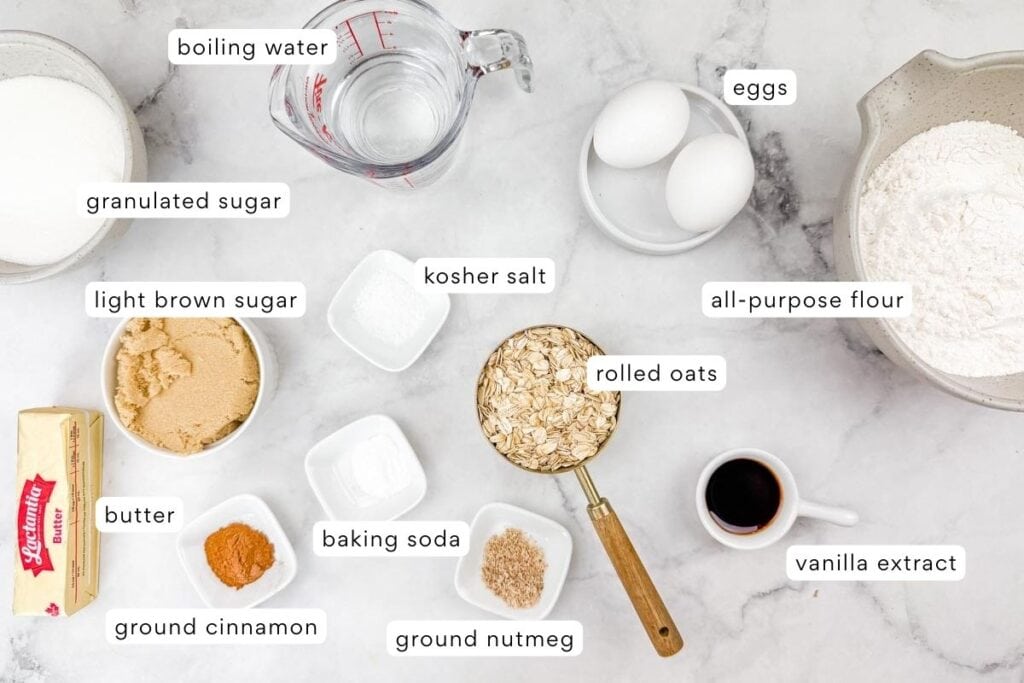
- Nonstick cooking spray – Coat the pan generously; this cake sticks easily because of the oat base.
- Boiling water – Use fully boiling water so the oats soften properly; warm water won’t hydrate them enough.
- Rolled oats – Old-fashioned only; quick oats will make the cake mushy.
- All-purpose flour – Measure carefully; too much flour will make the cake dense.
- Baking soda – Make sure it’s fresh; stale baking soda will prevent proper rise.
- Ground cinnamon – Measure lightly; too much will overpower the coconut topping.
- Ground nutmeg – Use sparingly; it can quickly dominate the flavor.
- Kosher salt – I use kosher salt.
- Salted butter – Softened butter blends better, keeping the cake from turning dense.
- Granulated sugar – Small lumps are fine; they dissolve during mixing.
- Light brown sugar – Sweet enough without being overwhelming.
- Vanilla extract – I bake almost exclusively with artificial vanilla extract; but use what you’re comfortable with.
- Eggs – Large or extra-large eggs work; bring to room temperature so the batter blends smoothly without curdling.
For the Topping
- Salted butter – Cold is fine; it will be melted.
- Light brown sugar – Loosely packed.
- Sweetened condensed milk – Not evaporated milk.
- Sweetened flaked coconut – Larger flakes give more chew.
- Pecans – Toast lightly in a dry skillet for more flavor.

How To Make Lazy Daisy Oatmeal Cake
Scroll down for the full recipe card with exact measurements and printable instructions.
Preheat the oven to 350°F and coat a 13×9-inch broiler-safe baking dish with nonstick spray. I like using a broiler-safe pan so the cake and topping can both be baked in the same dish without switching.
In a heatproof bowl, combine the boiling water and rolled oats. Stir and let sit for about 30 minutes, allowing the oats to soften fully. This step gives the cake its signature moist texture.

Meanwhile, whisk together the flour, baking soda, cinnamon, nutmeg, and salt in a separate bowl. In the bowl of a stand mixer fitted with the paddle attachment, cream the butter, granulated sugar, brown sugar, and vanilla on high speed until fluffy, 3–4 minutes. Add the eggs one at a time, mixing thoroughly after each.


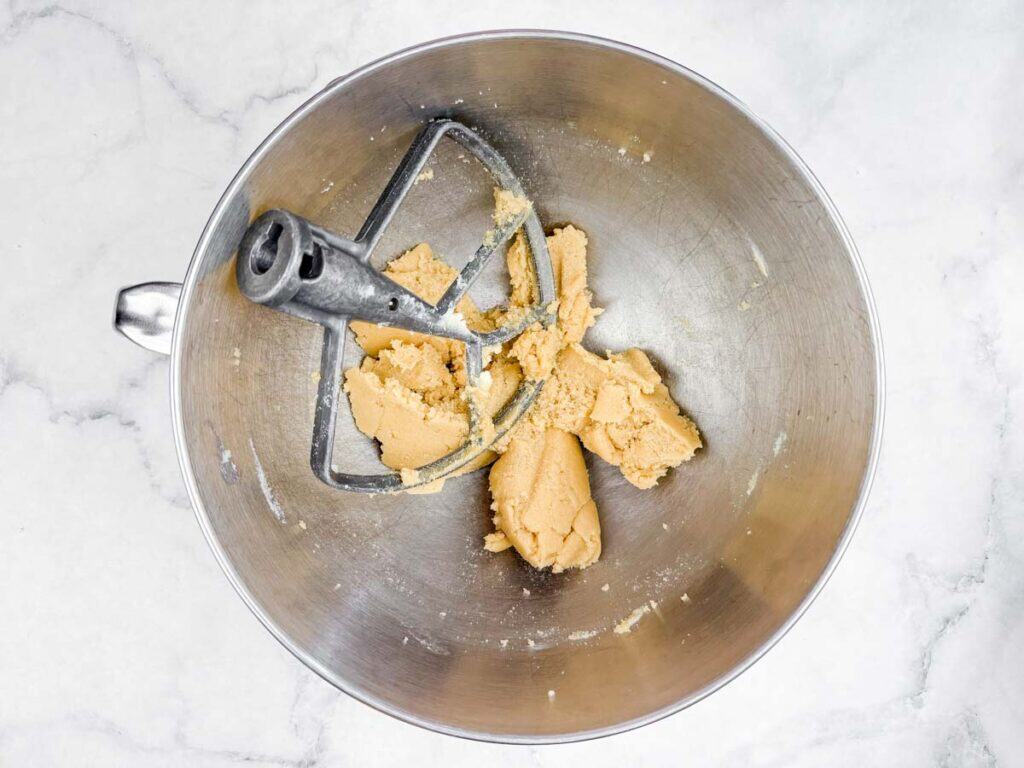
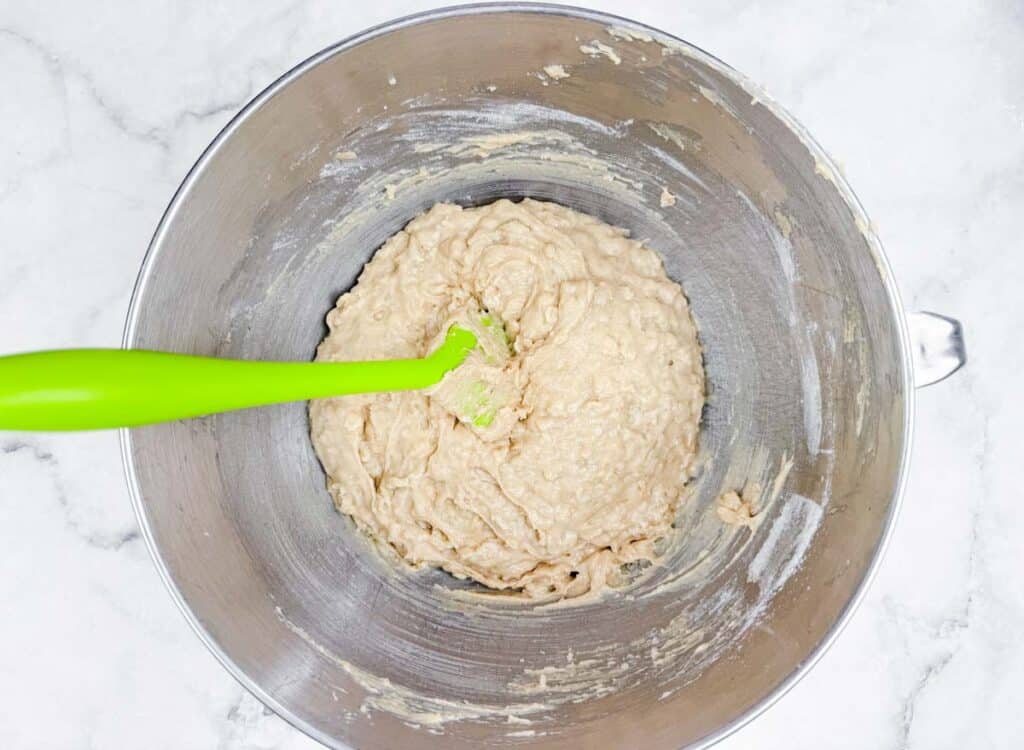
Reduce the mixer speed and add the dry ingredients in two portions, scraping the bowl as needed. Finally, mix in the softened oat mixture until everything is fully combined. Pour the batter into the prepared baking dish.

Bake for 30–35 minutes, or until a toothpick – I also use a cake tester as it is convenient and works perfectly – inserted in the center comes out clean. Let the cake rest for about 10 minutes on a cooling rack with legs before adding the topping.

To make the topping, melt the butter, brown sugar, and condensed milk in a heavy-bottomed saucepan over medium heat, stirring constantly. Once smooth and simmering, remove from heat and stir in the coconut and pecans. Spread this mixture evenly over the warm cake.


Switch the oven to broil and place the cake on the center rack. Broil for 2–3 minutes until the topping bubbles and turns golden brown—watch closely, as it can burn quickly. Cool completely before slicing into squares.

Chef Jenn’s Tips
- Let the oat mixture cool before adding it to the batter; hot oats can make the cake heavy.
- Always toast your pecans; it deepens their nutty flavor.
- Keep an eye under the broiler. The topping caramelizes quickly.
Serving Suggestions
This cake is delightful on its own, but I love serving it with hot coffee or tea for an afternoon treat. For dessert, pair a warm slice with a scoop of vanilla ice cream—the cool cream balances the rich topping beautifully. It also shines at brunch next to a savory egg dish or a fresh fruit salad.

Storage
Keep covered at room temperature for up to 4 days. For longer storage, refrigerate up to 1 week or freeze individual slices for up to 2 months. Thaw at room temperature before serving.
Old Fashioned Lazy Daisy Oatmeal Cake
Ingredients
Cake:
- nonstick cooking spray
- 1 1/4 cups boiling water
- 1 cup rolled oats uncooked old-fashioned regular
- 1 1/2 cups all-purpose flour
- 1 tsp. baking soda
- 1 tsp. ground cinnamon
- 1/2 tsp. ground nutmeg
- 1/2 tsp. kosher salt
- 1/2 cup salted butter softened
- 1 cup granulated sugar
- 3/4 cup packed light brown sugar
- 2 tsp. vanilla extract
- 2 large eggs at room temperature
Topping:
- 6 Tbsp salted butter
- 1/2 cup packed light brown sugar
- ⅓ cup sweetened condensed milk
- 1 1/2 cups sweetened flaked coconut
- 3/4 cup pecans toasted chopped
Instructions
For the Cake
- Preheat the oven to 350°F and spray a 13×9-inch broiler-safe pan with nonstick spray.
- In a heatproof bowl, stir the boiling water and rolled oats together. Let sit for 30 minutes, stirring occasionally, until softened.
- In another bowl, whisk the flour, baking soda, cinnamon, nutmeg, and salt.
- In a stand mixer with the paddle attachment, cream the butter, granulated sugar, brown sugar, and vanilla until light and fluffy, 3–4 minutes.
- Add the eggs one at a time, mixing thoroughly after each addition.
- Add the flour mixture in two batches, then fold in the softened oat mixture. Scrape down the sides of the bowl as needed.
- Pour the batter into the prepared pan and bake for 30–35 minutes, until a toothpick inserted in the center comes out clean. Let the cake cool for 10 minutes.
For the Topping
- In a heavy-bottomed saucepan, melt the butter, brown sugar, and condensed milk over medium heat, stirring constantly until smooth and just simmering.
- Remove from heat and stir in the coconut and toasted pecans. Spread the mixture evenly over the warm cake.
- Switch oven to broil and place the cake on the center rack. Broil for 2–3 minutes, watching carefully, until the topping bubbles and turns golden.
- Allow the cake to cool completely before slicing.
Video
Notes
Chef Jenn’s Tips
- Let the oat mixture cool before adding it to the batter—hot oats can make the cake heavy.
- Always toast your pecans; it deepens their nutty flavor.
- Keep an eye under the broiler. The topping caramelizes quickly.
Nutrition
A Note on Nutritional Information
Nutritional information for this recipe is provided as a courtesy and is calculated based on available online ingredient information. It is only an approximate value. The accuracy of the nutritional information for any recipe on this site cannot be guaranteed.