Scrambled Eggs
Scrambled eggs sound easy, but they can go wrong fast—dry, tough, and dull. After trying countless versions, I found the trick: cream cheese. Just a couple of tablespoons makes a big difference, melting into the eggs and giving them a rich, silky texture.

This post may contain affiliate link(s). As an Amazon Associate, I earn from qualifying purchases. See Disclosures.
Once you make your scrambled eggs this way, it’s hard to go back. Whether it’s a quick weekday breakfast or a relaxed weekend meal, these are eggs worth making. You can easily double or triple this recipe to serve more people.

You'll get ad-free recipes like:
Spaghetti Casserole,
Sloppy Joe Casserole,
Cowboy Casserole,
and more!

31 of Chef Jenn's FAVE Casseroles
I've gathered 31 of my favorite casseroles for you and your family to love, all in a convenient ebook with no ads and no AI! Each of these scratch-made dishes is created, tested, and loved by Chef Jenn. Get your instant download now!
This is a digital product. You'll receive an instant download link after purchase.

History
Scrambled eggs have been around for centuries, with early references appearing as far back as the 14th century in medieval European cookbooks. However, adding cream cheese to scrambled eggs likely became popular in the United States in the late 1980s, when chefs and home cooks started experimenting with ways to make breakfast dishes richer and more indulgent. As cream cheese rose in popularity beyond just bagels and desserts, it found its way into savory recipes like scrambled eggs, and quickly gained fans in brunch spots and home kitchens alike.
Ingredients
- Eggs – Or extra large eggs will work, too.
- Egg yolks – Save the egg whites for another recipe. I pop them into an ice cube tray and freeze them.
- Heavy cream – You can use half and half or even milk.
- Cream cheese – Softened.
- Butter – I cook with salted butter, but you can use unsalted. Just season the eggs before serving.
- Chives – Chives and eggs go hand-in-hand, but you could add a bit of chopped parsley or even some thinly sliced green onion tops (the dark green part) instead of chives. It all works!
- Salt and pepper – Season to taste.

How To Make Scrambled Eggs
Scroll down for the full recipe card with exact measurements and printable instructions.
Combine the eggs, extra yolks, cream, and cream cheese in a bowl. Let the mixture sit out for 15 to 20 minutes to take the chill off. This helps the eggs cook more evenly.

Whisk everything together until blended. It is okay if the cream cheese is a little lumpy. It will melt into the eggs as they cook.

Set a nonstick skillet over medium heat and melt the butter, tilting the pan so it coats the surface.
Pour in your egg mixture. Gently stir with a silicone spatula or rubber spoon. Scrape along the bottom and edges, moving cooked bits aside so the uncooked egg flows through.

If the eggs are cooking too quickly or starting to brown, lower the heat or briefly lift the pan from the burner while continuing to stir. This keeps the curds soft and creamy.
Cook until the eggs form soft, glossy curds and there is no visible liquid left. Remove from heat and transfer immediately to a plate to stop the cooking.
Season with salt and pepper to taste and sprinkle chopped chives on top just before serving. I like using kitchen scissors to snip the chives directly over the eggs. It is faster and gives a fresh finish.
Serve them hot and enjoy every creamy bite.

Chef Jenn’s Tips
- Keep the heat low and don’t walk away—eggs cook fast and keep cooking even after you plate them.
- Feel free to customize with seasonings like garlic powder, chili flakes, or fresh herbs.
Make It A Meal
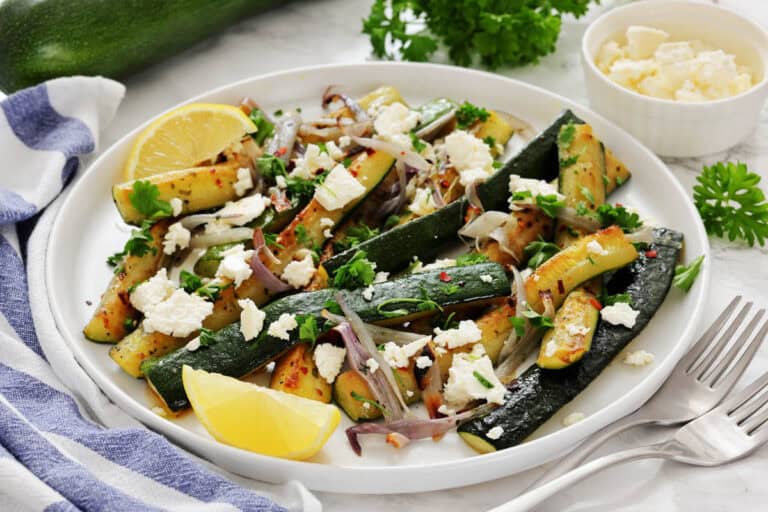
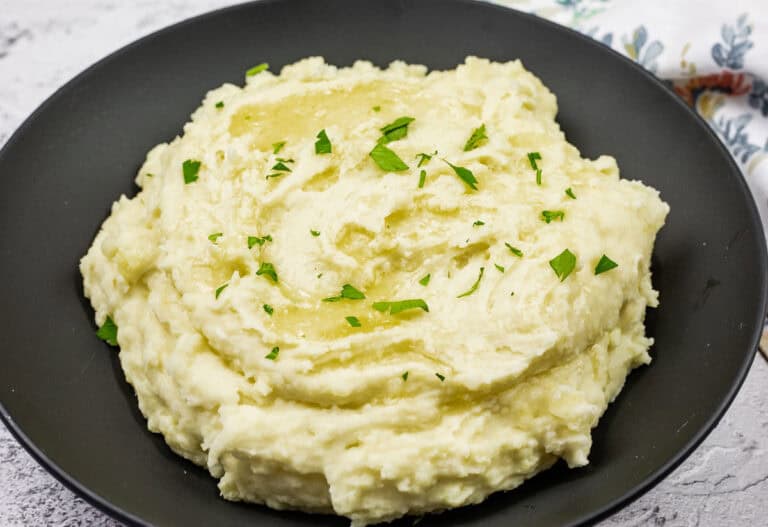
These creamy eggs are great with toast, bacon, or roasted potatoes. Or keep it light with fruit and coffee. They also work well in a breakfast sandwich or served with a side salad.

Storage
For the best texture, eat these eggs right after cooking. Leftovers can be stored in the fridge for a day. Reheat gently in a nonstick pan over low heat while stirring. Skip the freezer—frozen scrambled eggs turn watery and lose their creaminess.

Scrambled Eggs
Ingredients
- 4 large eggs
- 2 large egg yolks
- 4 tablespoons heavy cream
- 2 tablespoons cream cheese softened
- 1 tablespoon butter
- 2 teaspoons chives finely chopped
- salt and pepper to taste
Instructions
- Combine the eggs, extra yolks, cream, and cream cheese. Let this sit out for 15–20 minutes to take the chill off.
- Whisk until well blended. It’s okay if the cream cheese isn’t fully smooth—it’ll melt into the eggs as they cook.
- Set a nonstick skillet over medium heat and melt the butter, tilting the pan so it coats the surface.
- Pour in your egg mixture.
- Gently stir the egg mixture, scraping along the bottom and edges of the pan by using a silicone or rubber spatula. Move cooked bits aside to let raw egg flow through.
- Lower the heat or briefly remove the pan from the burner while continuing to stir. This is if things heat up too fast or the eggs begin to brown.
- Cook until the eggs form soft, glossy curds and there’s no visible liquid left.
- Remove from heat and transfer to a plate to stop the cooking.
- Add salt and pepper to taste, and sprinkle chives over the top just before serving.
Video
Notes
Chef Jenn’s Tips
- Keep the heat low and don’t walk away—eggs cook fast and keep cooking even after you plate them.
- Feel free to customize with seasonings like garlic powder, chili flakes, or fresh herbs.
Nutrition
A Note on Nutritional Information
Nutritional information for this recipe is provided as a courtesy and is calculated based on available online ingredient information. It is only an approximate value. The accuracy of the nutritional information for any recipe on this site cannot be guaranteed.